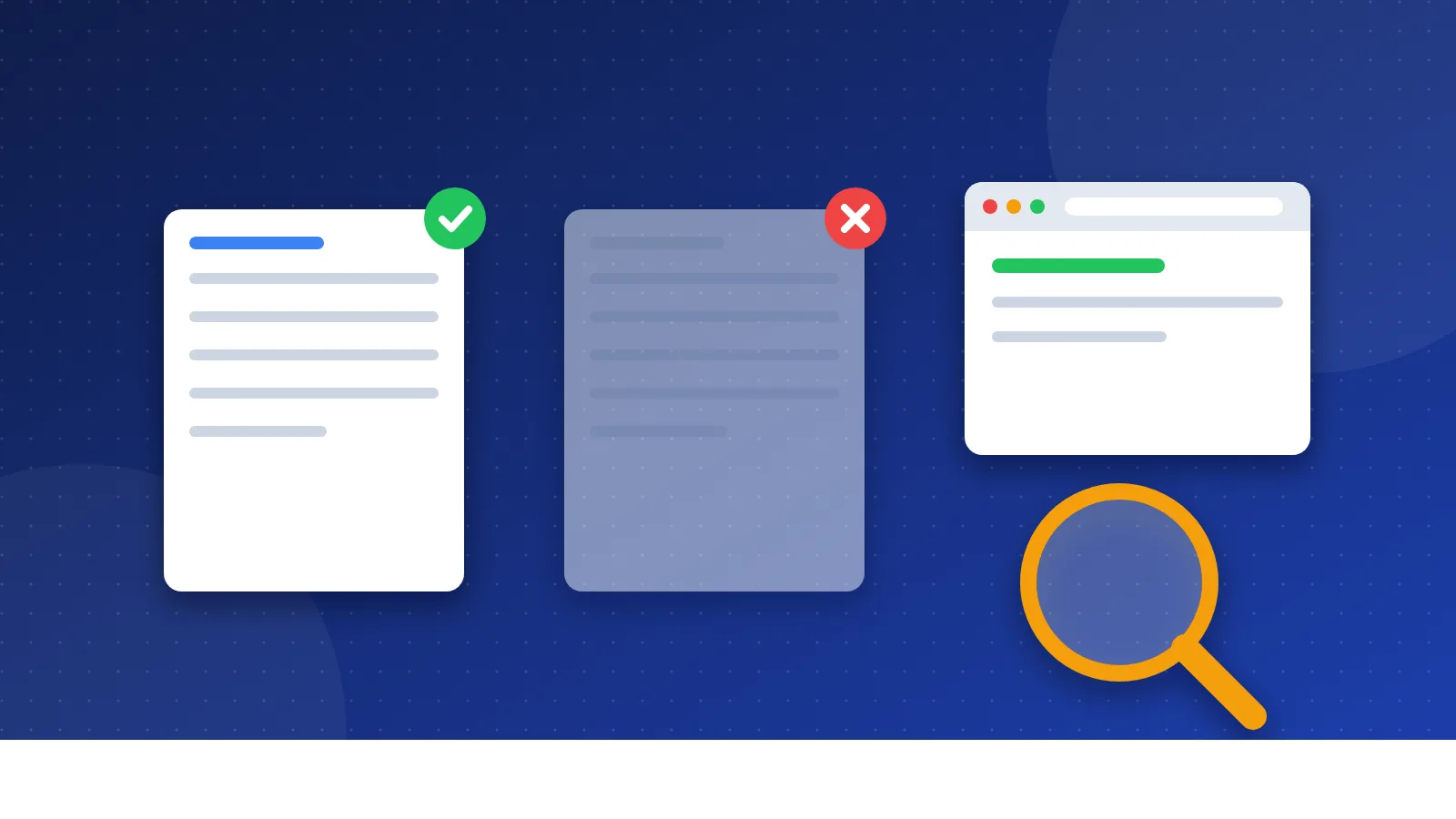
Reverse SEO is the practice of pushing negative or outdated search results down the page by helping accurate, positive pages rank above them. It works best with real content and honest profiles that you control. When a result breaks Google's policies or the law, asking for removal is often faster than trying to outrank it.
Most people search a name and stop after the first few results. If a harsh review, an old news story or a namesake's scandal sits in that spot, it shapes how strangers see you. This guide shows the order I would follow: removal first, then content, and never shortcuts that can make things worse.
When does pushing results down make sense?
Reverse SEO fits cases where the content is legal and stays online, but it no longer gives a fair picture. Common examples:
- An old news story about a problem you have since fixed.
- A single angry review that ranks above all your good ones.
- A person or company with the same name as yours.
- Outdated profiles or directory listings with wrong details.
It does not fit content that is true, current and newsworthy. You can add your side of the story, but you cannot expect to bury real news for long.
Can you get the result removed first?
Always check removal options before you start a content campaign. Google offers several:
- Results about you. This Google tool lets you find and request removal of results that show your phone number, home address or email address. It can also alert you when new results appear. Google says it is available to adults in selected countries.
- Other personal information. Google's removal policies also cover items such as government ID numbers, bank account details, doxxing (sharing private details to cause harm) and intimate images shared without consent.
- Legal removals. Content that breaks local law, such as defamation in some countries, goes through Google's separate legal request process.
- Outdated content. If a site has already changed or deleted a page, you can ask Google to refresh the old result.
Keep one limit in mind. Google states that removing a result from Search does not remove the page from the internet. If you can, contact the site owner first and ask them to correct or remove the page. A polite, specific request works more often than people expect.
How does reverse SEO work, step by step?
If the result stays, your goal is to fill the first page with accurate pages. Follow these steps:
- Audit the results. Search your name or brand in a private window. Note the top 20 results and mark each one as yours, neutral or negative.
- Build your own home base. A website on your own name or brand, with a clear About page, gives search engines one strong, trusted result.
- Claim real profiles. Fill in your business profile on Google, LinkedIn and the social networks you actually use. Complete, active profiles often rank for name searches.
- Publish useful content. Write guides, case notes or answers to common customer questions. Each strong page is a chance to take a spot on page one.
- Improve pages that already rank. A positive interview or listing on page two may only need an update, better title or a link from your site to climb.
- Earn real mentions. Local press, partners and honest directory listings add trusted links. Our guide to backlinks and SEO explains which links help.
- Answer reviews calmly. A short, polite reply to a bad review shows readers how you handle problems. It also stops the review from being the only voice on the page.
Expect this to take months. Results that have ranked for years carry weight, and new pages need time to earn trust.
Which problems need which response?
| Problem | Best first step |
|---|---|
| Your phone, address or email on a site | Results about you request |
| Old page already changed by the site | Outdated content refresh request |
| Possible defamation | Talk to a lawyer, then a legal removal request |
| Fair but harsh review | Polite reply plus more recent reviews from real customers |
| Old news or a namesake | Reverse SEO with your own pages and profiles |
What should you never do?
Some reputation sellers offer quick fixes. Most of them create new problems.
- Fake reviews. In August 2024 the US Federal Trade Commission approved a rule that bans fake reviews, including AI-written ones. It also bans buying reviews that must say something positive or negative and using threats to suppress bad reviews. The FTC can seek civil penalties. Other countries have similar consumer laws.
- Attacking the negative page. Spam links, fake complaints or copy-and-paste attacks aimed at a page you dislike are negative SEO. They are unethical and can lead to legal trouble. Read our negative SEO guide to learn how these attacks work and how to defend against them.
- Cheap link networks. Pointing thousands of low-quality links at your positive pages can trigger spam filters. Our article on backlink blacklists and penalties covers the risks.
- Paid "removal" promises. Nobody outside Google can remove a result from Google on demand. Be wary of anyone who guarantees it.
Reverse SEO done right is slow, honest work. Ask for removal where the rules allow it, then build accurate pages, real profiles and genuine mentions until the first page tells the full story.
Frequently asked questions
Is reverse SEO legal?
Yes, when you use honest content, real profiles and genuine links. It becomes a problem when it involves fake reviews, false complaints or attacks on other sites. Those can break consumer law or a search engine's spam policies.
How long does reverse SEO take?
It usually takes several months, and longer for results that have ranked for years. Strong new pages need time to earn trust. Removal requests, when they apply, are often much faster.
Can Google remove a bad review about my business?
Google does not remove reviews just because they are negative. A review that breaks the platform's rules, such as spam or a conflict of interest, can be reported. For fair reviews, a calm reply and more real reviews work best.