How long should a meta description be? A good guide is about 140 to 155 characters, which is roughly one or two short sentences. Google has no fixed limit, but it cuts snippets to fit the screen width, so put the most important words near the start.
This guide explains what a meta description is, why Google may show different text, how to write a good one and how to check its length before you publish.
What is a meta description?
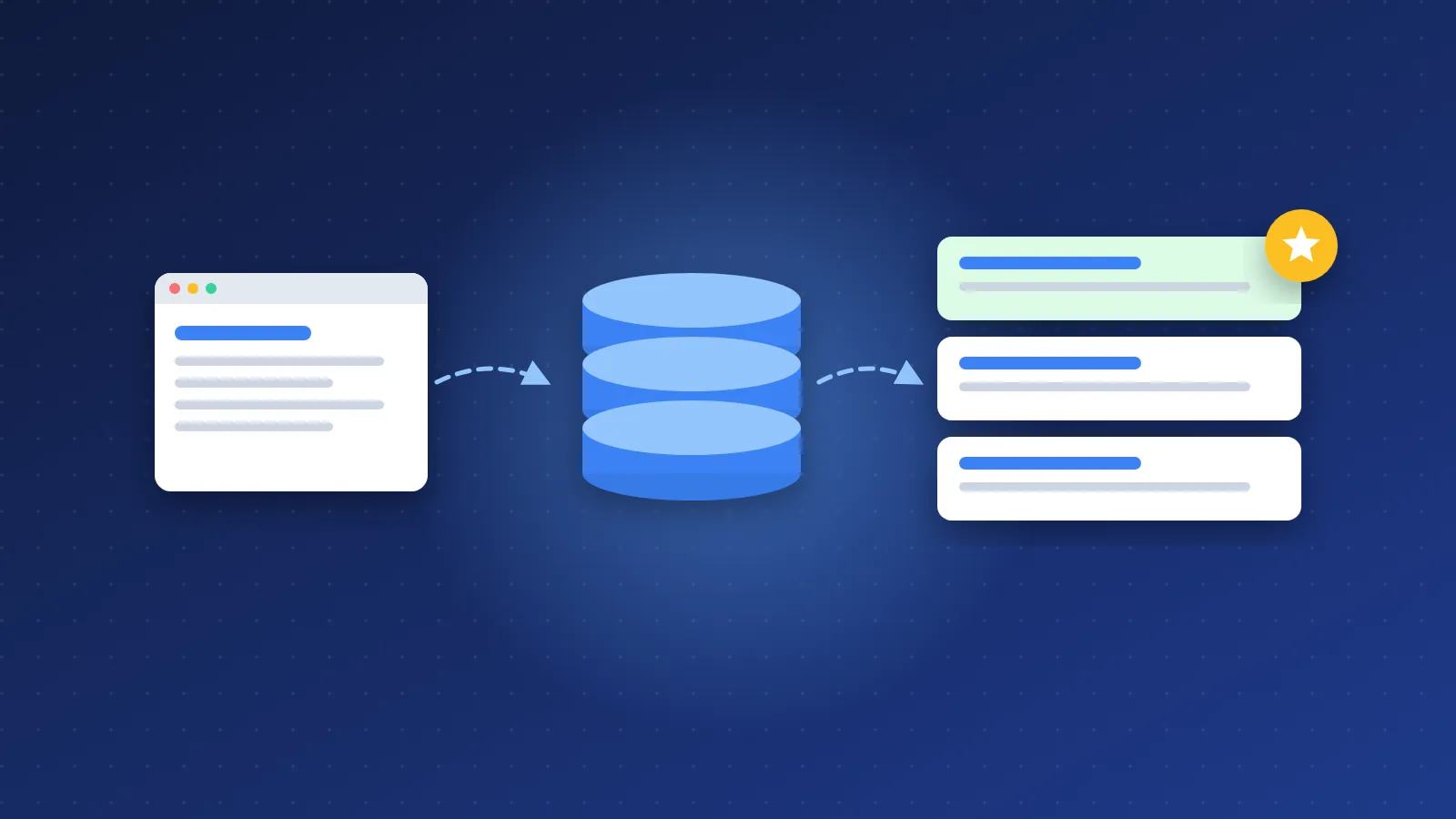
A meta description is a short summary of a page that you add in the HTML code. Visitors do not see it on the page itself. Search engines may show it under your title in the results, as the snippet. A snippet is the short grey text that helps people decide whether to click.
In the code it looks like this:
<meta name="description" content="Your short page summary here.">
Most website builders and SEO plugins give you a box for it, so you rarely need to touch the code.
Does Google always show your meta description?
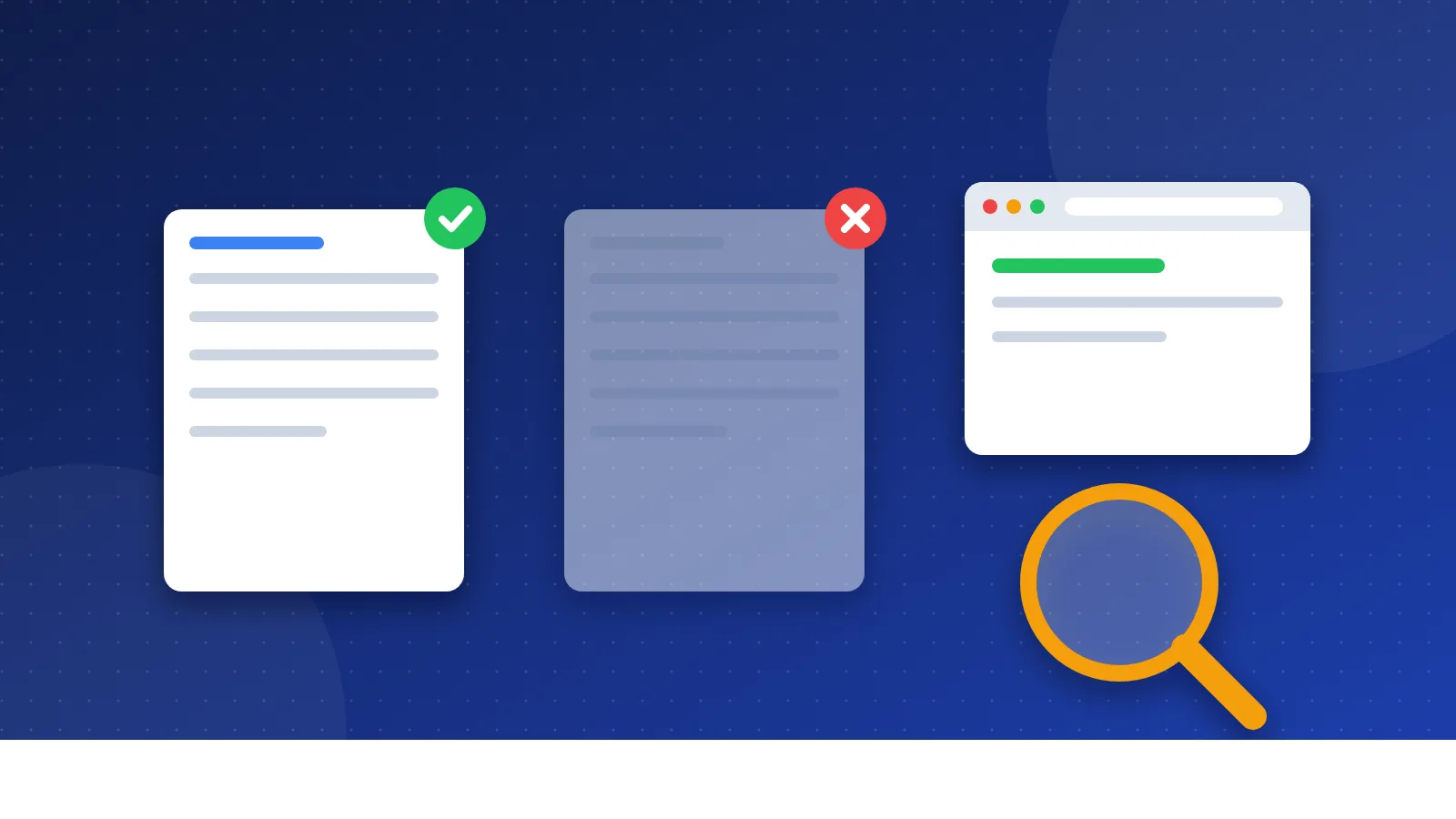
No. Google says it may use the meta description when it describes the page better than other parts of the content. In other cases, Google builds the snippet from text on the page that better fits the search.
That means one page can show different snippets for different searches. You cannot force Google to use your text. Still, a clear and useful description gives you the best chance. Google also warns that a long string of keywords is less likely to be shown.
How long should a meta description be?
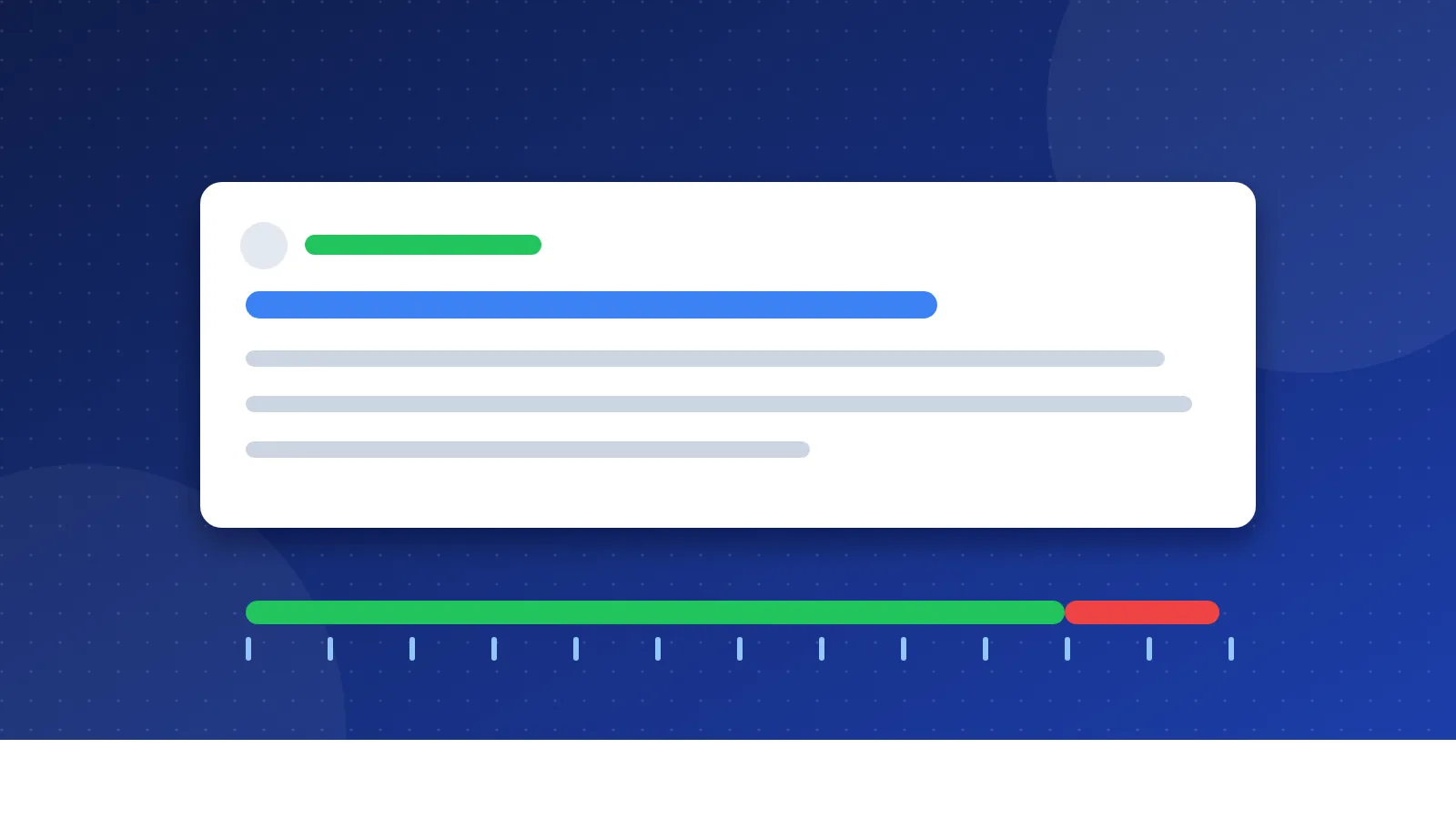
Google states that there is no limit on how long a meta description can be. It cuts the snippet as needed, usually to fit the device width. So the real limit is space on the screen, measured in pixels, not a set number of characters.
SEO tools try to turn that into a simple number, and they do not all agree:
- Rank Math suggests up to about 160 characters and limits its preview to 920 pixels.
- Semrush suggests a shorter maximum of about 135 characters, based on its own study of snippets on desktop and mobile.
A safe middle path is about 140 to 155 characters. Treat that as a guide, not a rule. Wide letters like W and M take more space than narrow ones like i and l, so two descriptions with the same character count can look different in length. Phones also show less text than desktops.
The practical answer: put the key message in the first 120 or so characters. If the end gets cut, nothing important is lost.
Too short and too long
- Too short (under about 70 characters): it often says too little, and Google may pick other text from the page instead.
- Too long (well over 160 characters): the end will likely be cut off with "...". It is not a penalty, but the reader may miss your last point.
How do you write a good meta description?
- Answer the search. Say what the page gives the reader in plain words.
- Use the main keyword once. Google often shows matching words in bold, which catches the eye.
- Add a detail. A price, a step count, a place or a key benefit makes it more concrete.
- Make each one unique. Google advises a different description for each page.
- End with a reason to click, but skip hype and fake urgency.
- Check the length in a preview tool before you publish.
Good vs weak meta description examples
| Page | Weak | Better |
|---|---|---|
| Bakery home page | Welcome to our website. We are a bakery. | Fresh sourdough, cakes and pastries baked daily in Leeds. Order online by 4 pm for next-day pickup or local delivery. |
| Guide to backups | Backup, website backup, backup tips, backup guide, best backup. | Learn how often to back up your website, what to save and how to test a restore, with a simple plan for small sites. |
| Product page | Buy our shoes now!!! Best shoes ever. Click here. | Lightweight trail running shoes with a wide toe box and grippy sole. Free returns within 30 days. See sizes and colours. |
The weak ones are vague, stuffed with keywords or full of hype. The better ones say what the page offers, include a real detail and stay inside a sensible length.
How do you check the length?
You do not need to count characters by hand. Two free tools on this site help:
- Our SERP snippet preview shows how your title and description may look in Google and warns you when they are likely to be cut.
- Our meta tag generator builds the title and description tags for you, ready to paste.
After you publish, look at the Performance report in Google Search Console. A page with many views but few clicks may need a clearer title or description.
Common mistakes
- Using the same description on many pages
- Leaving it empty and hoping Google picks good text
- Stuffing in keywords instead of writing a sentence
- Promising something the page does not deliver
- Putting the key point at the end, where it gets cut
So, how long should a meta description be? Aim for about 140 to 155 characters, lead with the key point, and write one unique description for each page. Then check it in a preview tool and let the results in Search Console guide your next edit.
Frequently asked questions
Is meta description length a ranking factor?
No, length on its own does not change rankings. The description matters because it can affect how many people click your result. A clear snippet helps more than a perfect number.
Why does Google show a different description than mine?
Google picks the text that best matches each search. If your description does not fit the query, it may use text from your page instead. Make your description a clear summary of the whole page to raise the chance it gets used.
Should every page have a meta description?
Yes, aim for one on every important page. For very large sites, Google says it is fine to create them with code, as long as they read well and differ from page to page.