To check if a page is indexed by Google, open Google Search Console and paste the full page address into the URL Inspection tool. If it says "URL is on Google", the page is in Google's index. A quick site: search can give you a hint, but it is not a full or exact list.
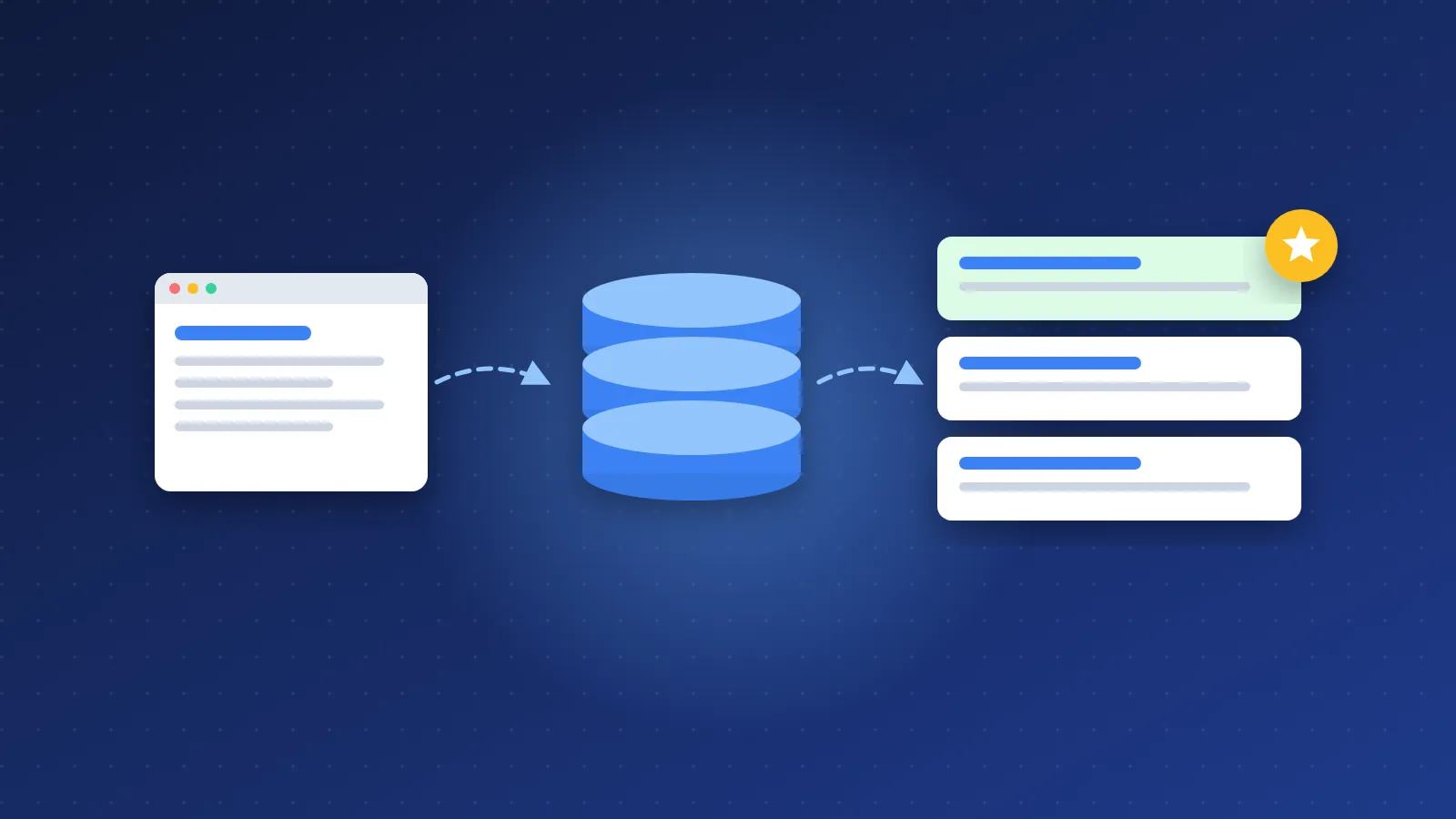
Indexing means Google has stored your page so it can show it in search results. A page that is not in the index cannot get any search traffic. This guide shows both ways to check, the common reasons pages stay out, and what you can do about each one.
What does the site: search tell you?
The fastest check needs no account. Type site: and your page address into Google, like this:
site:example.com/my-page/
If your page shows up, Google has it. If nothing shows up, the page may not be indexed, but you cannot be sure. Google says the site: operator does not always return every indexed URL, and big sites should not expect to see all their pages. Use it as a quick hint, then confirm in Search Console.
How to check if a page is indexed by Google in Search Console
Search Console is Google's free tool for site owners. You need to add and verify your site first. After that, follow these steps:
- Open Search Console and pick your site, which Google calls a property.
- Paste the full URL into the search bar at the top that says "Inspect any URL".
- Read the result. "URL is on Google" means the page is in the index. "URL is not on Google" means it is not, and the Page indexing section tells you why.
- Click "Test live URL" if you changed the page. This checks the current version, not the one Google saw last time.
- Click "Request indexing" once the live test looks fine. This asks Google to crawl the page again.
Keep your hopes realistic. The URL Inspection help page says a crawl often takes a day or so but can take much longer. There is also a daily limit on requests for each site, so save them for pages that matter.
One more point: "URL is on Google" means the page can show up. It does not promise a high position or any clicks.
Why is my page not indexed?
Search Console shows a reason for each page it leaves out. You will find these in the Page indexing report and in the URL Inspection result. Here are the most common ones in plain words.
| Status | What it means | What to do |
|---|---|---|
| Crawled, currently not indexed | Google visited the page but chose not to add it for now | Make the page more useful and link to it from strong pages |
| Discovered, currently not indexed | Google knows the URL but has not visited it yet | Wait, add internal links, check that your server is fast |
| Excluded by noindex tag | The page tells Google not to index it | Remove the noindex tag if you want it in search |
| Blocked by robots.txt | Your robots.txt file stops Google from crawling it | Remove or change the Disallow rule |
| Duplicate pages | Google sees the page as a copy and picked another URL | Merge pages or set a clear canonical URL |
Thin or low-value content
The most common reason on small sites is simple: Google does not think the page adds enough. Google says plainly that it does not promise to crawl, index or show any page, even when the page follows its rules. Low content quality is one of the reasons it lists. Short posts that repeat what many other pages say often land in "Crawled, currently not indexed".
Noindex and robots.txt mistakes
A noindex tag is a line of code that asks search engines to keep a page out of results. Some themes and plugins add it by accident, for example after a site leaves a "staging" mode. A robots.txt file is a small text file that tells crawlers which paths they may visit. One wrong line can block a whole folder. Our guide on robots.txt for beginners shows how to read and fix it.
Duplicate pages
A canonical URL is the main version of a page that you want Google to show. If two of your pages look almost the same, Google picks one and leaves the other out. This often happens with tag pages, print versions or URLs with tracking codes.
What can you do about pages that will not index?
Work through this list, from the quickest fix to the slowest:
- Check for blocks. Make sure there is no noindex tag and no robots.txt rule on the page.
- Check the canonical. The page should point to itself, not to another URL.
- Add it to your sitemap. A sitemap is a file that lists the pages you want Google to find.
- Link to it. Add links from related pages and from pages that already get visits. Links from other sites help too, as our guide to backlinks and SEO explains.
- Improve the page. Add real details, examples and answers that other pages lack. Merge weak pages into one stronger page.
- Request indexing once. Then wait. Asking again and again does not speed things up.
My own honest story with unindexed pages
I have run Bloghints since 2006, and indexing still puzzles me. Many of my old articles are still not indexed after years. Yet some new articles get into Google fast. I did link my pages to each other, but I cannot say for sure that I did it well.
What I learned is that internal links alone do not force a page into the index. Today I use Search Console to find the reason first, then fix or merge the weak pages instead of just asking Google again.
Quick checklist
- Use
site:for a fast hint only. - Use URL Inspection in Search Console for the real answer.
- Read the reason Google gives before you change anything.
- Fix blocks first, then work on content and links.
- Be patient after you request indexing.
The best way to check if a page is indexed by Google is the URL Inspection tool, with a site: search as a quick first look. When a page is missing, the reason in Search Console tells you where to start. Most fixes come down to removing a block or making the page worth indexing.
Frequently asked questions
How long does Google take to index a new page?
It can take anywhere from a few hours to several weeks. Google's help page says a crawl after a request often takes a day or so but can take much longer. New and small sites usually wait longer than big, well-known ones.
Does "URL is on Google" mean my page will rank?
No. It only means the page is in the index and can appear in results. Where it ranks depends on how well it answers the search and how it compares to other pages.
Should I request indexing for every new post?
You can, but it is rarely needed. A good sitemap and links from your other pages help Google find new posts. Save requests for important pages or pages you just fixed, since there is a daily limit.