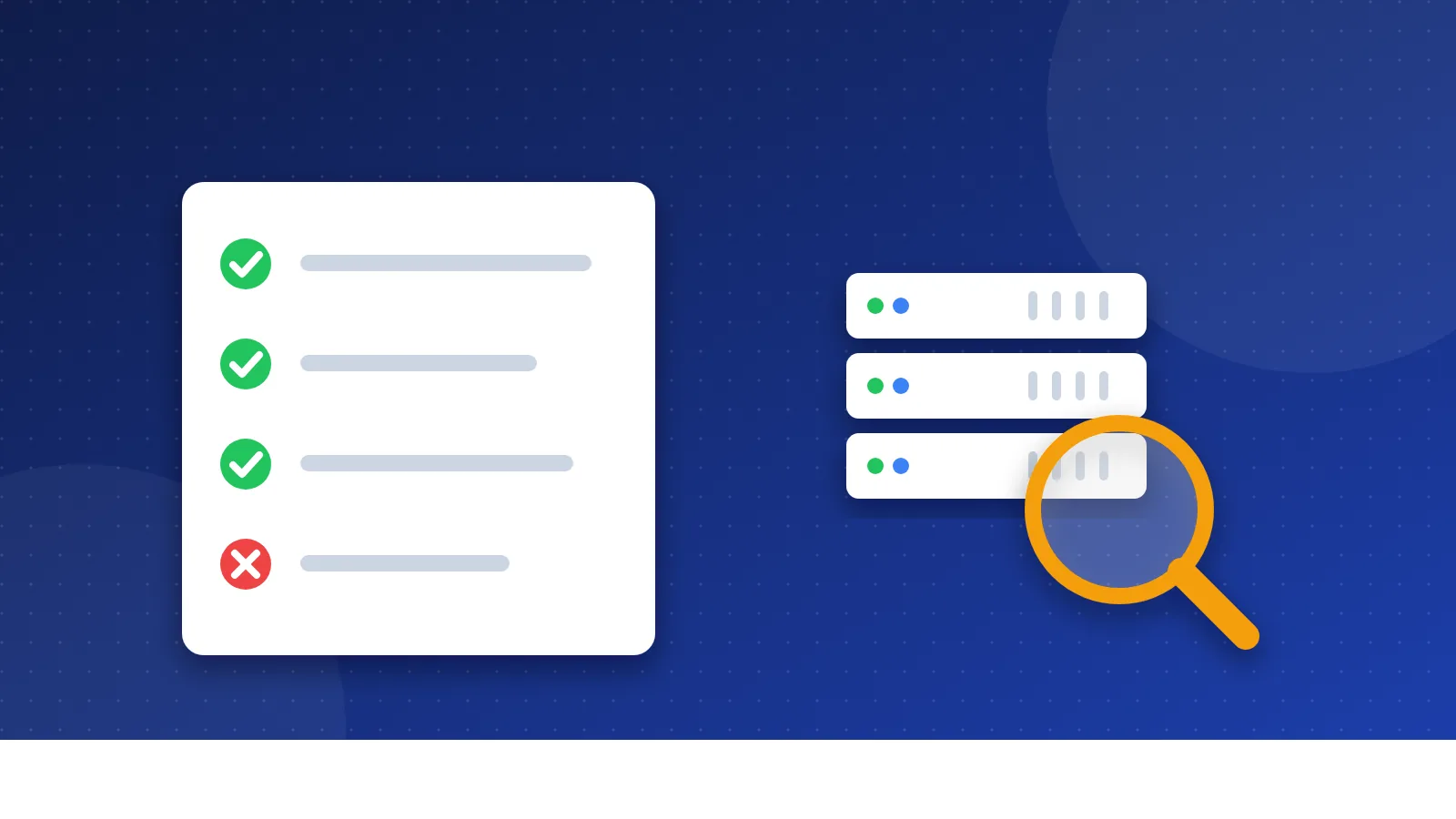
A web directory quality checker helps you decide, in a few minutes, whether a directory deserves your submission. Answer 12 yes-or-no questions while you look at the directory, and the tool gives a score out of 100 with a clear verdict: Submit, Maybe or Skip. Three red flags send any directory straight to Skip, whatever its score.
Why directory quality matters
Google lists "low-quality directory or bookmark site links" as an example of link spam. A link from a junk directory does not help you, and hundreds of them can make your link profile look manipulative. A few links from well-kept, relevant directories are a different story: they can bring real visitors and help people find a new site.
I ran Bloghints as a web directory for years and checked almost 1,000 sites by hand before they went live. Free listings had to follow our submission rules, and paid listings were refused if the site was about gambling, porn or similar topics. From the editor's side, the difference between a kept directory and an abandoned one shows within a few clicks. This tool turns those clicks into a checklist.
How to use the web directory quality checker
- Enter the directory name and URL. Two quick links appear: a Google
site:search and the directory home page. - Run the site: search. If Google shows no pages from the directory, answer "No" to the first question. That alone means Skip.
- Click around for two or three minutes. Open a few categories, the newest listings and five random listed sites.
- Answer each question with Yes, Not sure or No. "Not sure" counts as half points.
- Read the verdict and weak points, then save the directory to your list.
- Download the CSV when you have checked several directories, and submit to the best ones first.
The three red flags
Some problems outweigh everything else, so the tool marks these questions "must be Yes":
- Google does not show its pages. A directory Google has dropped passes no value and sends no search visitors.
- It lists spam or unsafe sites. Casino, pill, adult or hacked sites next to yours put you in bad company.
- It asks for a link back. Google's spam policies name "excessive link exchanges" as link spam. A required reciprocal link is exactly that.
What the score means
| Score | Verdict | What to do |
|---|---|---|
| 75 to 100 | Submit | Worth one careful submission |
| 50 to 74 | Maybe | Only if it is free and your category fits well |
| Below 50 | Skip | Spend your time elsewhere |
| Any red flag | Skip | Do not submit |
The weights follow what matters most in practice. Whether Google still shows the directory and whether a person reviews submissions count far more than a modern design or an https padlock. The score is a guide for your own judgment, not a promise about rankings.
Paid directories
Some good directories charge a review fee. That can be fair, because checking sites by hand takes time. The question is what you pay for. A fee for an honest review, with no promise of approval, is normal. A fee for a guaranteed "dofollow" link is a paid link. Google asks that paid links carry rel="sponsored" or rel="nofollow", so a directory that sells followed links is taking a risk on your behalf.
When I was starting out, I submitted my own sites to reciprocal and paid directories, and my first site reached a toolbar PageRank of 5. That was a different era, and paid links now break Google's spam policies. If you pay a directory today, pay for one that real people in your niche use, and treat the fee as advertising, not as a link purchase. For more background, see the benefits of a niche web directory listing.
Where to find directories worth checking
Start with hand-checked lists instead of huge copied lists. Our free directory list is a good starting point. Run each candidate through this web directory quality checker, then log your submissions in the Submission Tracker so you know which ones approved you.
Frequently asked questions
Are web directories still worth it?
A few are. Edited, niche or local directories can bring visitors and help a new site get found. Mass submission to hundreds of general directories wastes time and can look like link spam to Google.
How many directories should I submit to?
Quality beats numbers. For most small sites, 10 to 20 directories that pass this checker are plenty. Add local directories if you run a local business, and stop when you run out of good matches.
Where are my scores saved?
Your scores stay in your own browser on this device. Nothing goes to Bloghints. Download the CSV if you want a copy or plan to clear your browser data.