URL indexing tools can help Google find a page sooner, but they do not lift rankings on their own. A page has to be in the index before it can rank, so a tool may shorten the wait. What happens after that depends on the page, not the tool. If Google has already decided a page is not worth keeping, sending more signals rarely changes its mind.
This piece looks at results and Google's view. For how one popular service works and what it costs, see my Rapid URL Indexer review.
Indexing and ranking are two different steps
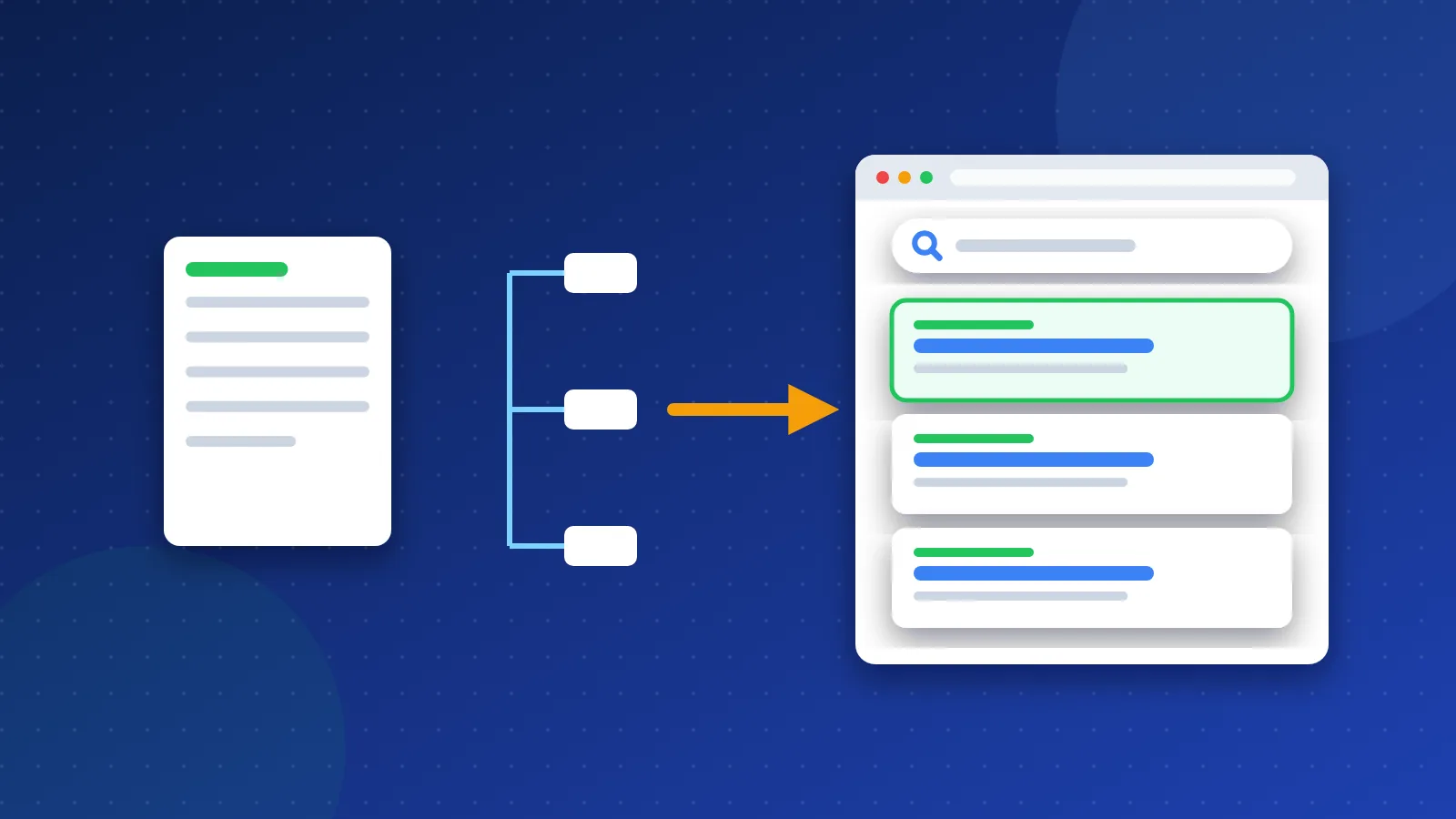
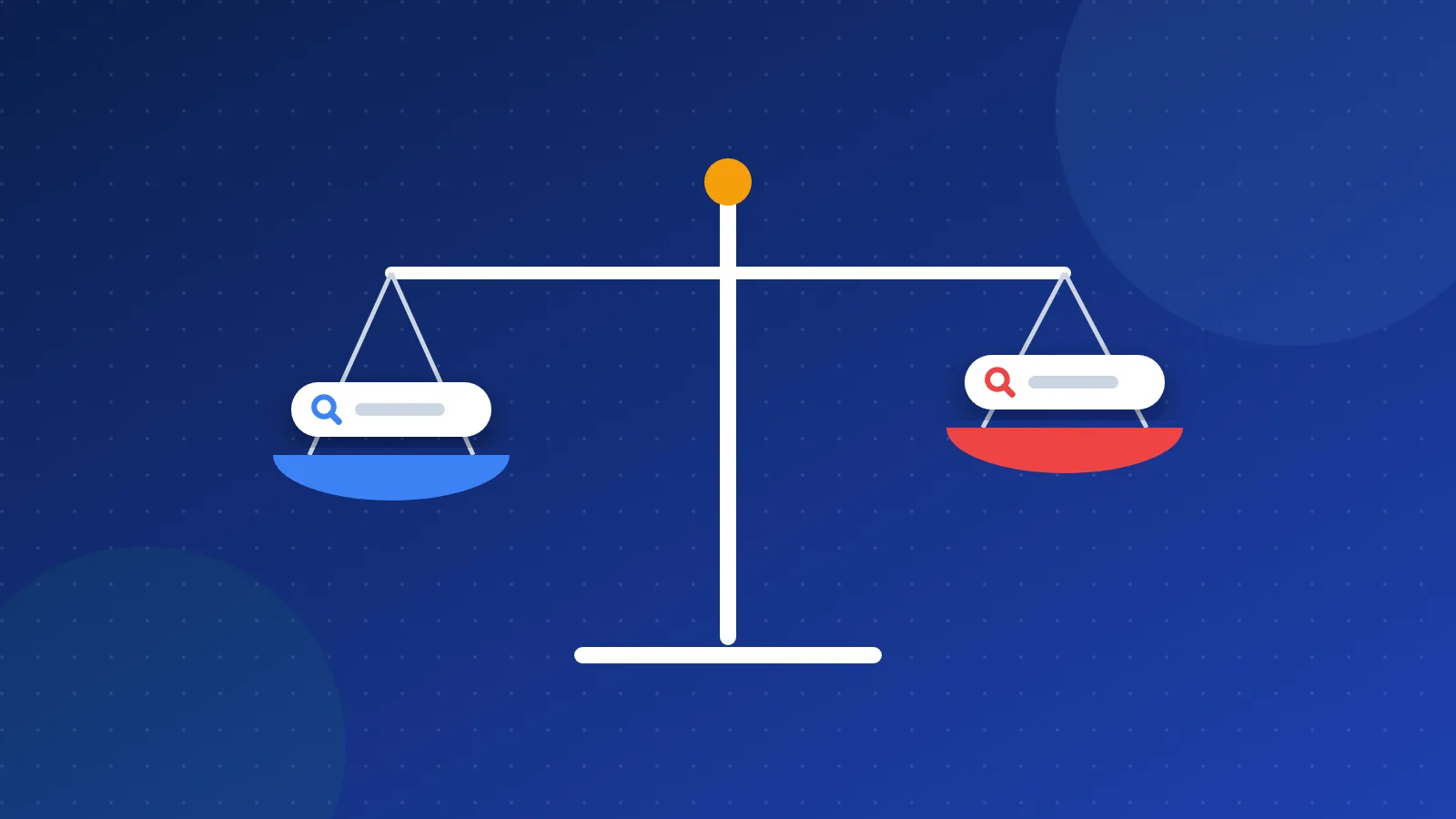
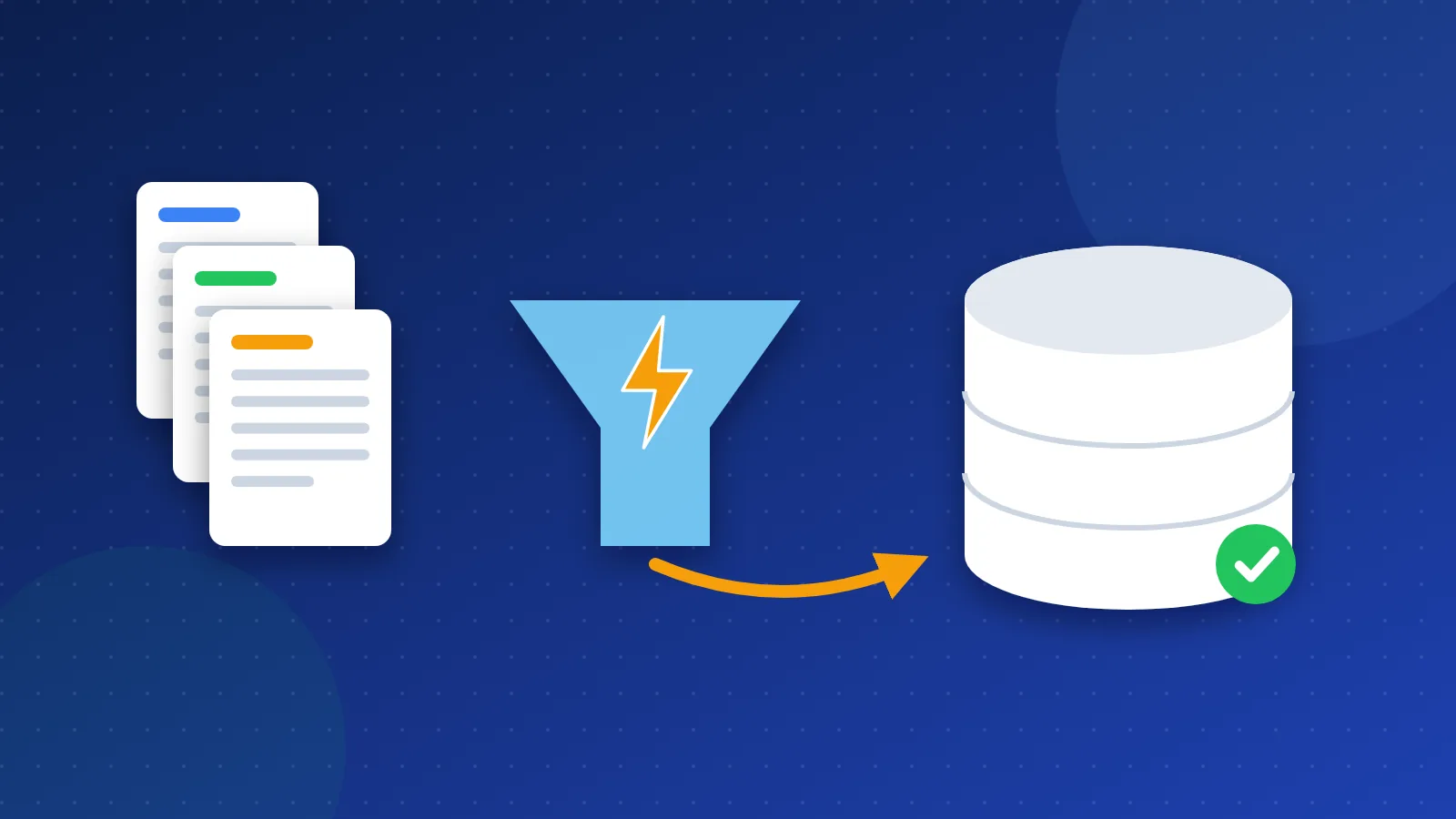
Google works in three stages: crawling, indexing and serving results. An indexing tool only touches the first two. It tries to get Google's crawler to a URL and hopes Google stores the page. Ranking happens later, when someone searches and Google weighs relevance, quality, links and many other signals.
That is why old claims like "index faster, rank higher" mislead people. A page that lands in the index on day one but answers the query poorly will still sit on page five. A strong page that took two weeks to show up can still reach the top.
What does Google say about fast indexing?
Google has been clear in its documentation:
- No guarantee. Google says a crawl request does not guarantee that a page will appear quickly, or at all.
- Quality first. Google says its systems give priority to fast inclusion of high-quality, useful content.
- Repeat requests do not help. Asking for a recrawl of the same URL many times does not speed it up.
- The Indexing API has a narrow scope. It only supports job posting pages and livestream video pages. Google's API page warns that it checks all submissions for spam and may revoke access for abuse, such as using many accounts to beat the quota.
Google's John Mueller added a useful hint on Bluesky in July 2025. He said that when a site sits on strong hosting, is technically sound, and still barely gets indexed, "often that's a sign that our systems aren't convinced about the site overall." In other words, slow indexing is often a quality signal, not a speed problem.
What results can you expect from URL indexing tools?
Here is a realistic picture, based on how Google describes its own process. These are general patterns, not test results.
| Page situation | Likely effect of a tool |
|---|---|
| New, good page Google has not found yet | May show up sooner |
| Page on another site that links to you | May help Google find that link |
| "Discovered – currently not indexed" | Small help at best; often a site-wide issue |
| "Crawled – currently not indexed" | Usually little; Google already chose to skip it |
| Duplicate or thin page | None worth paying for |
Notice the pattern. The further a page sits from "not found yet", the less any outside push can do. Google already knows about most pages that stay out of the index. It has simply decided not to keep them.
Even when a tool works, the gain is time. If Google would have found your page in ten days, a tool might cut that to two. For news or a seasonal offer, those days can matter. For an evergreen guide, they rarely do.
What about the risk?
The risk depends on how the tool sends its signals. Some services use plain pings or sitemaps. Others build links on throwaway sites so that crawlers follow them to your page. Google's spam policies call links made "primarily for the purpose of manipulating search rankings" link spam. They also name "automated programs or services" that create links to your site.
If a vendor will not say how its method works, assume it may involve links you would not choose yourself. That is a reason to use such tools for your own clean pages only, and to watch your backlink profile. Our guide to negative SEO explains how to spot odd links pointing at your site.
My own experience with stubborn pages
On my own sites, many pages stayed unindexed for years, even though I linked to them from other pages. I did not know why. I never used a paid indexing tool on them, so I cannot tell you whether one would have helped.
What I see now, reading Google's documentation, is that the Page indexing report in Search Console answers much of the "why". "Discovered" means Google has not crawled the URL yet. "Crawled" means it looked and passed. Those two problems need different fixes, and only the first one has much to do with speed.
A better order of work
- Read the status of each missing page in Search Console.
- Fix technical blocks such as noindex tags, robots.txt rules and wrong canonical tags.
- Merge or improve thin pages so each page has a clear, unique purpose.
- Link new pages from pages that already get traffic, and submit a clean sitemap.
- Earn real links from relevant sites. Our backlinks guide explains the basics.
- Only then think about paid speed, and only for pages that truly need it.
My guide on how to list your site in search engines covers the free steps in more detail.
The bottom line on URL indexing tools: they can save you some waiting time on good pages, but they cannot make Google value a page it does not want. Spend your effort on the page and the site first. Speed tools come last, if at all.
Frequently asked questions
Are URL indexing tools against Google's rules?
Google has no rule against telling it about your pages; sitemaps and Search Console exist for that. Problems start when a tool builds spam links or abuses the Indexing API. Ask any vendor how its method works before you buy.
Why does Google index a page and then drop it?
Google can test a page in its index and remove it later if it finds the page less useful than others. This often happens with thin or duplicate pages. Improving the page is the lasting fix.
Is fast indexing worth it for a small blog?
Usually not. A sitemap, Search Console and good internal links handle most small blogs well. Paid speed makes more sense for time-sensitive pages or links on sites you do not control.