If you want to know how to get backlinks today, start with a simple rule: give other sites a real reason to link to you. Make one page that is truly useful, then tell the people who would care about it. Safe links come from content, partners and real-world relationships, not from tricks.
A backlink is a link from another website to yours. Google's SEO Starter Guide says most new pages Google finds each day are found through links. Links also send visitors. Below are methods that work for small sites, plus the shortcuts that can get you in trouble.
Why are backlinks harder to get now?
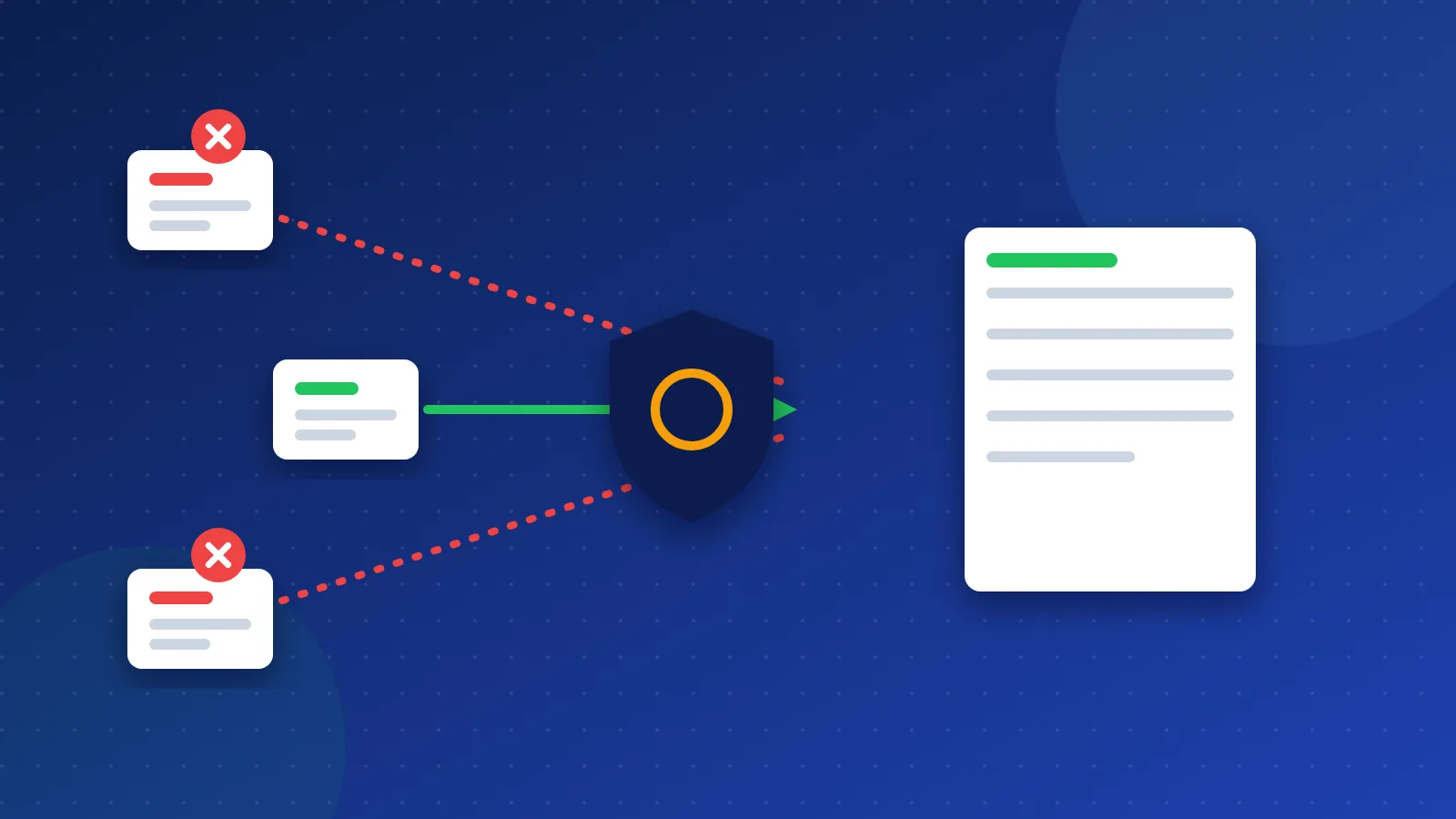
Ten or fifteen years ago, you could add your site to a directory, a forum signature or a blog comment and call it a backlink. Search engines learned to ignore most of those links. Google's spam policies now list many of them as link spam:
- Buying or selling links for ranking, including swapping goods or services for links
- Excessive link exchanges ("link to me and I'll link to you")
- Automated programs that create links to your site
- Low-quality directory or bookmark site links
- Optimized links in forum posts or signatures
So the question is no longer "where can I drop a link?" It is "why would someone choose to link to me?"
What I did wrong (so you can skip it)
I have built links for my own sites since 2006, and I tried most of the old tactics. I paid for forum signature links on sites like Warrior Forum. I left generic comments on auto-approve blogs, and many were never approved. I used backlink generators and copied competitors' backlinks with checker tools.
I also pitched guest posts, and nobody accepted them. DMOZ never accepted my site either. After Google's crackdown on link spam in 2012, I stopped all of it out of caution. The methods below are the ones I would use if I started again today.
How to get backlinks: eight safe methods
1. Build one resource people want to cite
Pick a question your audience keeps asking and answer it better than anyone else. Good examples are a checklist, a free tool, a price comparison, a glossary or a local guide. People link to pages that save them time. A plain blog post that repeats what others say rarely earns links.
2. Claim your real business profiles
If you run a business, set up your profiles on the main local and industry sites first. These listings help people find you and confirm your details. Keep your name, address and phone number the same everywhere.
3. Ask partners, suppliers and clients
Many companies have a "partners", "stockists" or "where to buy" page. If you sell their product or work with them, ask to appear there. This is one of the easiest links a small business can earn, because the relationship is real.
4. Turn mentions into links
Search for your brand or your name in quotes. Some sites will mention you without a link. Send a short, polite note and ask if they would add one. Many people are happy to do it.
5. Help fix broken links
Find pages in your topic that link to a page that no longer works. If you have a good page on the same subject, tell the site owner about the broken link and suggest yours. You help them first, so they are more likely to say yes.
6. Join your community
Speak at a local meetup, sponsor a small event or answer questions in a real forum. These activities lead to mentions and links over time. Google's starter guide lists community engagement and word of mouth as ways to promote a site.
7. Write for others, the honest way
Guest posts still work when the goal is to reach a new audience, not to plant keyword links. Pitch a real idea to a site your readers visit. Expect many rejections, as I learned. Keep any link natural and relevant.
8. Use a few good directories
Hand-edited directories in your field can still help a new site get found. See our guide to free web directory submission for how to pick safe ones. Do not count on them for rankings.
Which methods give the best return?
| Method | Effort | Link value |
|---|---|---|
| Useful resource | High | High |
| Partner pages | Low | Medium |
| Unlinked mentions | Low | Medium |
| Broken link fixes | Medium | Medium |
| Edited directories | Low | Low |
These ratings are my rough estimates, not measured data. Your results will depend on your topic and how useful your page is.
Paid links and anchor text
Paying for an ad or a sponsored post is normal. Google says paid links should carry rel="sponsored" or rel="nofollow". That way you get the visitors without breaking the rules.
When you do get to suggest link text, keep it natural. Google's link best practices say good anchor text is descriptive and reasonably concise. Your brand name or the page title is usually best. Exact keyword anchors on every link look forced.
How to track your new links
Open the Links report in Google Search Console. It shows your top linking sites, your most linked pages and the most common link text. Google notes that it is only a sample, not a full list. Check it once a month to see what is working. Our backlinks guide for beginners explains the basics if you are new to this.
If you ever find a wave of spam links you did not build, read our article on backlink penalties and recovery before you act.
So, how to get backlinks without risk? Make something worth linking to, use the relationships you already have, and ask politely. It is slower than the old tricks, but the links last.
Frequently asked questions
How many backlinks does a new website need?
There is no fixed number. A few relevant links from real sites in your field often do more than hundreds of weak ones. Focus on earning links steadily rather than hitting a target.
Is it safe to buy backlinks?
Buying links to boost rankings breaks Google's spam policies. Buying ads or sponsored posts is fine when the link has rel="sponsored" or rel="nofollow". Paid links without these attributes put your site at risk.
How long do backlinks take to help?
Google has to find and recrawl the linking page first, which can take days or weeks. Any effect on rankings usually builds slowly. Keep publishing and earning links instead of waiting on one link.