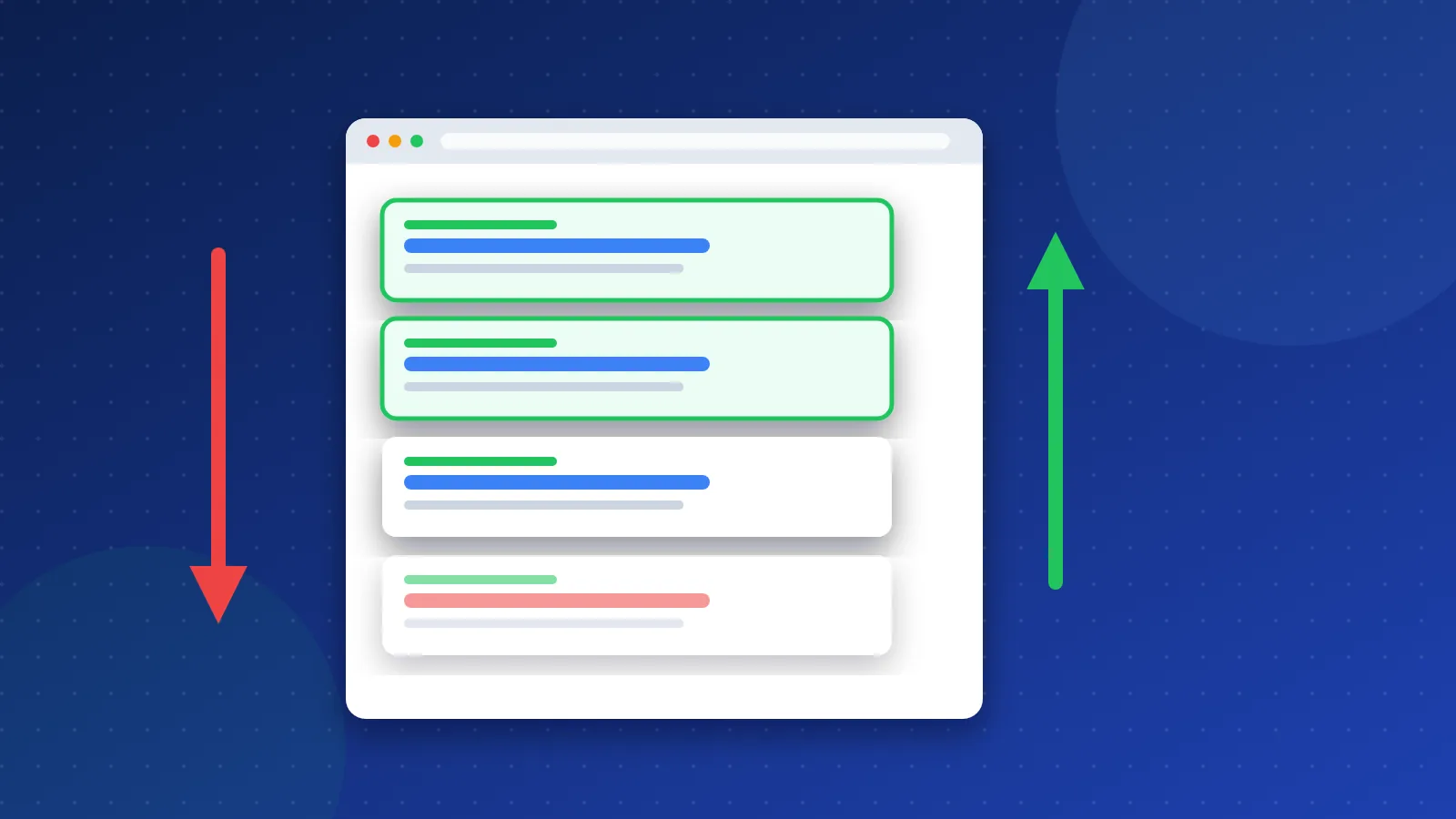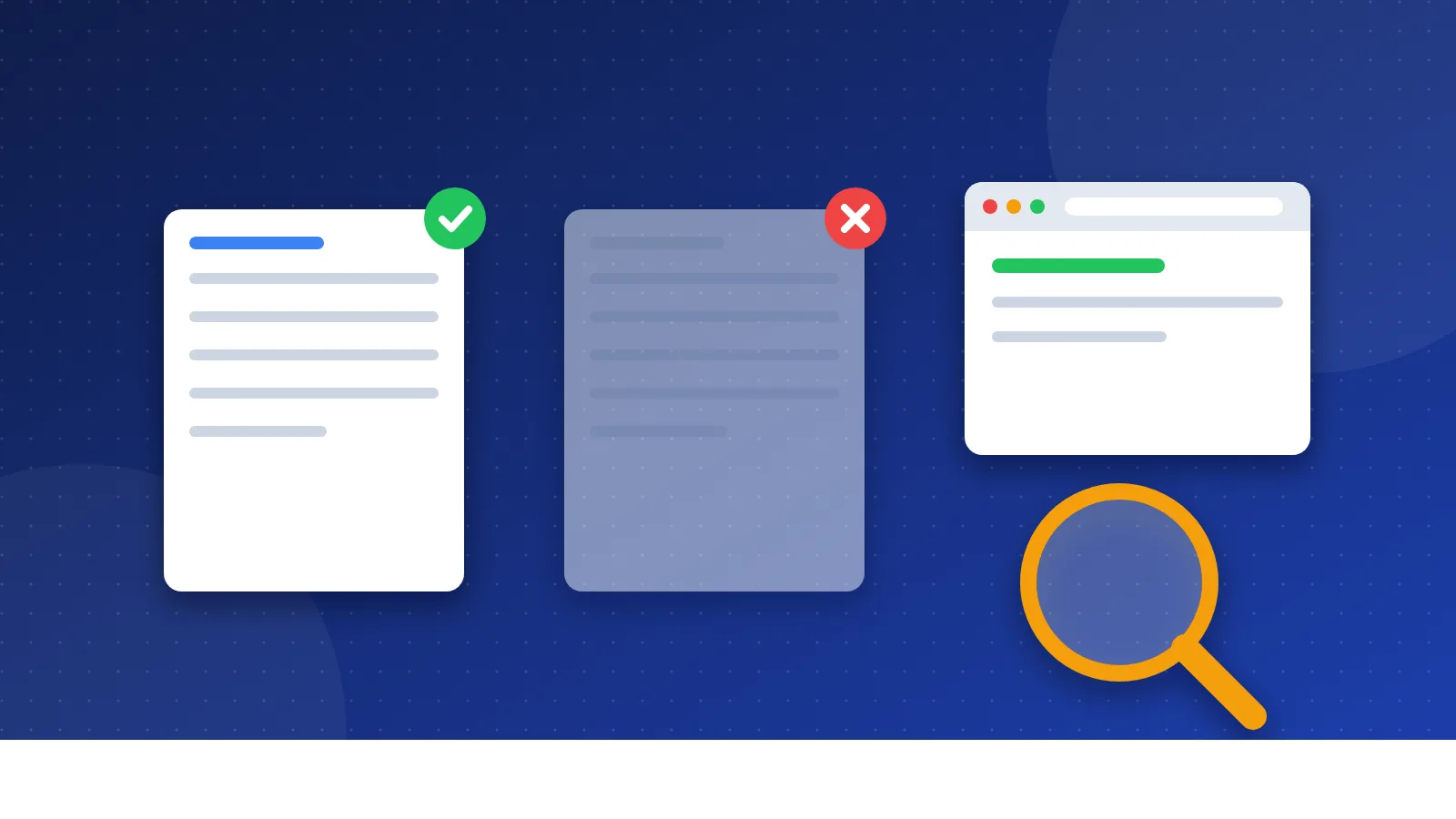
Backlink penalties happen when Google decides that links pointing to your site break its spam rules. There is no public "backlinks blacklist". Instead, Google's systems quietly ignore most spam links, and its human reviewers can apply a manual action when a site clearly builds unnatural links. Only the second case needs a cleanup.
This guide explains how Google treats bad links, how to check whether you have a real problem, and what to do about it. If you want to build good links instead, see our guide on how to get backlinks safely.
Is there really a backlinks blacklist?
No. Some SEO tools show a "toxic score" or flag domains as risky. These are the tool makers' own guesses, not a list from Google. A high toxic score does not mean Google has punished you.
What Google does publish is a list of link spam practices. Its spam policies name, among others:
- Buying or selling links for ranking purposes
- Excessive link exchanges and partner pages made only for cross-linking
- Automated programs or services that create links to your site
- Low-quality directory or bookmark site links
- Keyword-rich or hidden links in widgets
- Optimized links in forum posts or signatures
Google says sites that break these rules "may rank lower in results or not appear in results at all."
How does Google handle spam links?
There are two paths, and they need different responses.
| Type | Who acts | Do you get told? | What to do |
|---|---|---|---|
| Algorithm | Automated systems | No | Usually nothing |
| Manual action | Human reviewer | Yes, in Search Console | Clean up, then request review |
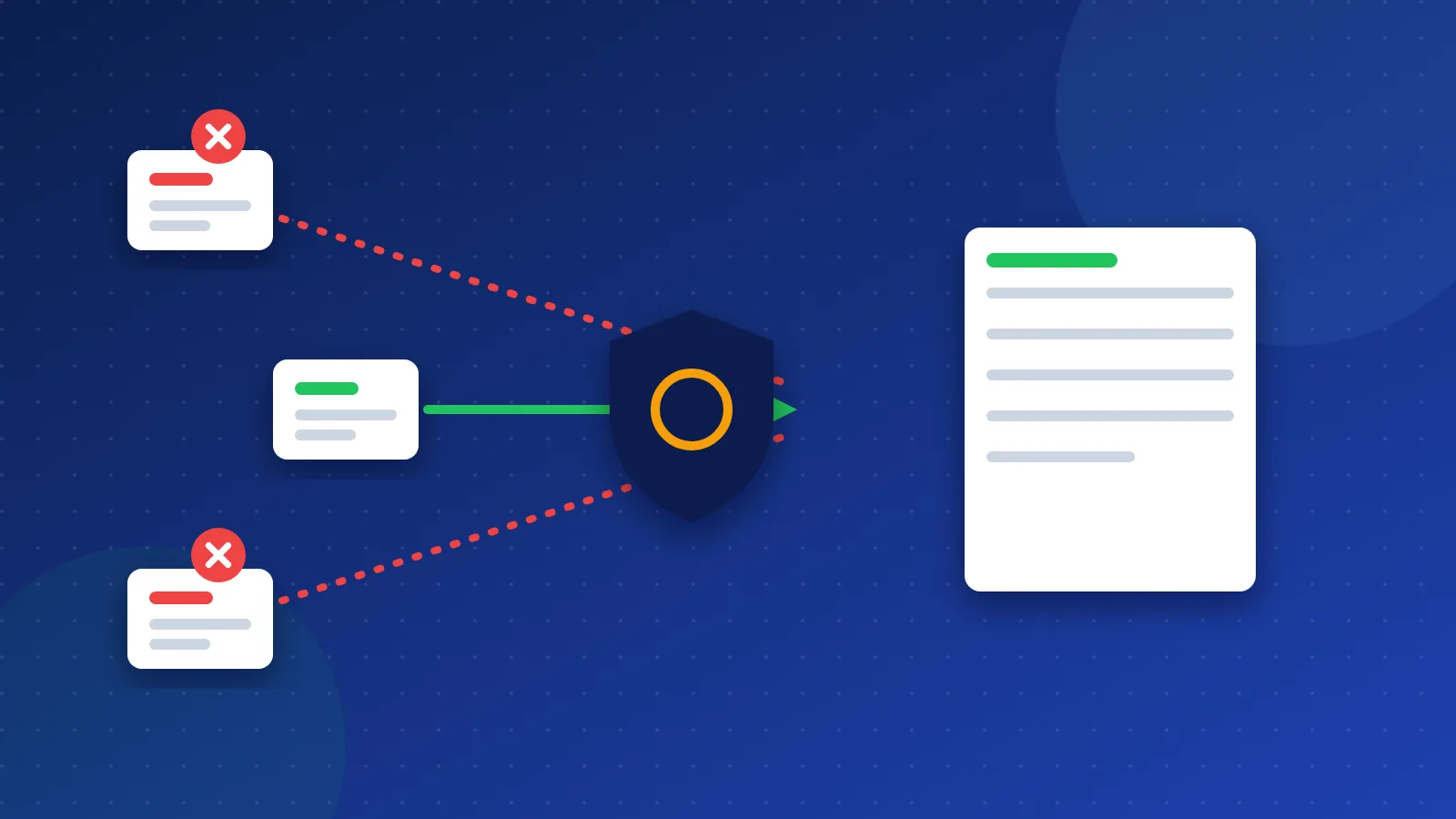
Algorithm. Google uses an AI system called SpamBrain to spot spam. When Google released its December 2022 link spam update, it said SpamBrain can detect both sites that buy links and sites that exist to pass links. Search Engine Land reported that the update neutralizes unnatural links, so they stop passing ranking credit. In plain words, most spam links simply count for nothing.
Manual action. A Google reviewer looks at your site and finds that it breaks the spam policies. You then see a notice in the Manual Actions report in Search Console. Google says that with a manual action, some or all of the site may not show in search results.
How to check if you have backlink penalties
- Open Search Console. Go to Security & Manual Actions, then Manual Actions.
- Read the result. "No issues detected" means no manual action. Any traffic drop has another cause.
- If there is an action, read it fully. Look for "Unnatural links to your site". Expand it to see which pages it affects.
- Compare dates. If traffic fell with no manual action, check whether the drop lines up with a known Google update or a site change, such as a redesign or a move.
A traffic drop alone does not prove a penalty. Many drops come from technical problems, weaker content or stronger competitors.
How to recover from a manual action for links
Google's help page for the Manual Actions report says to fix the issue on all affected pages, then request a review. For unnatural links to your site, the steps look like this:
- List your links. Export them from the Links report in Search Console and add data from any link tool you use.
- Find the bad ones. Look for paid links without
rel="sponsored"orrel="nofollow", link exchanges, spam directories, comment spam and forum signatures. - Ask for removal. Contact site owners and ask them to remove the link or add nofollow. Keep a record of each request.
- Disavow what is left. Use Google's disavow tool only for links you could not remove.
- Request a review. Explain the exact problem, what you did and what changed. Attach your notes.
Google says most reviews take several days or weeks, and link reviews can take longer. Do not send a new request before you get an answer.
When should you use the disavow tool?
Google calls disavow an advanced feature. Used wrongly, it can harm your site. Google says to use it only when you have many spammy, artificial or low-quality links, and they have caused or will likely cause a manual action.
The file is a plain .txt file in UTF-8 or 7-bit ASCII. Put one URL or one domain per line. To block a whole site, write domain:example.com. Lines that start with # are comments. The file can hold up to 100,000 lines and 2 MB. After upload, Google says it can take a few weeks to take effect.
If you have no manual action and simply see odd links from strange sites, you usually do not need to disavow anything. Google's spam systems aim to neutralize such links. Our guide to negative SEO covers spam attacks in more detail.
My own story with risky links
I have run Bloghints since 2006, and in the early years I used many of the tactics on Google's list. I paid for forum signature links, joined reciprocal directories, used backlink generators and left comments on auto-approve blogs. When Google started cracking down on link spam with the Penguin update in April 2012, I stopped all of it out of caution.
The lesson I took: links that are easy for you to make are easy for Google to ignore. Today I would rather earn a few real links than worry about hundreds of fake ones.
To avoid backlink penalties in the future, label paid links correctly, skip link schemes and automated tools, and check the Manual Actions report from time to time. Most sites never need more than that.
Frequently asked questions
Can bad backlinks from other sites hurt my rankings?
Google's link spam systems aim to neutralize unnatural links, so random bad links usually do no harm. A problem appears mainly when there is a clear pattern of unnatural links. If you have no manual action, you rarely need to act.
Should I disavow links with a high toxic score?
Not by default. Toxic scores come from third-party tools, not from Google. Google advises using disavow only when you have many spammy links that caused or may cause a manual action.
How long does it take to recover from a link penalty?
It depends on how much work the cleanup takes. Google says reviews can take several days or weeks, and link reviews may take longer. After Google lifts the action, rankings may recover slowly, and only if your remaining links and content are strong.