A rapid URL indexer will not win accident lawyer SEO for you. It may help Google find a new page sooner, and that is all. Legal pages are a high-stakes topic for Google, so rankings depend on trust, real expertise, local signals and links from respected sites. Speed of indexing barely enters the picture.
Personal injury is one of the most competitive niches in search, and law firms get a steady stream of offers that promise fast results. Here is how to tell what is real.
Why indexing is not ranking
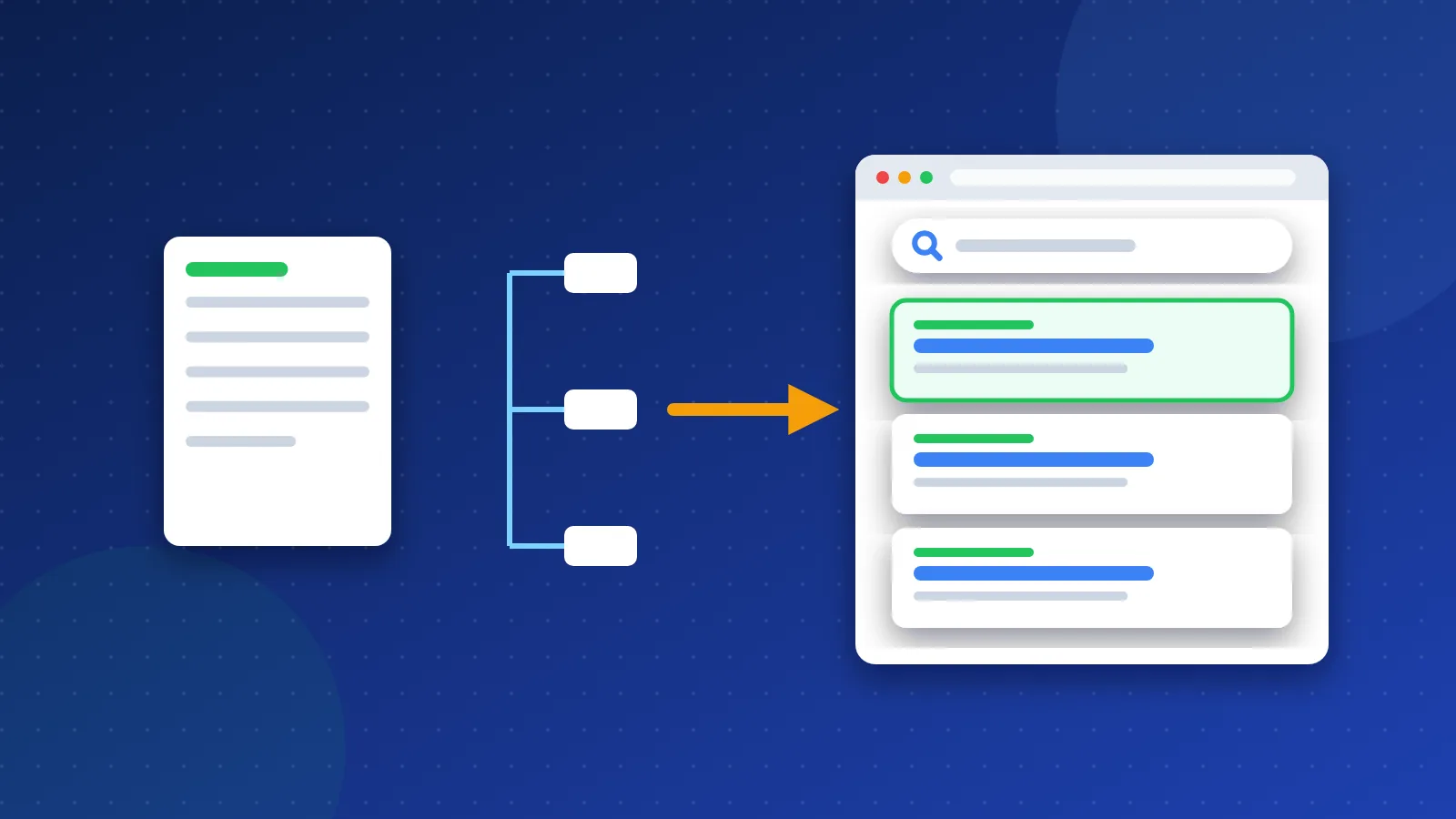
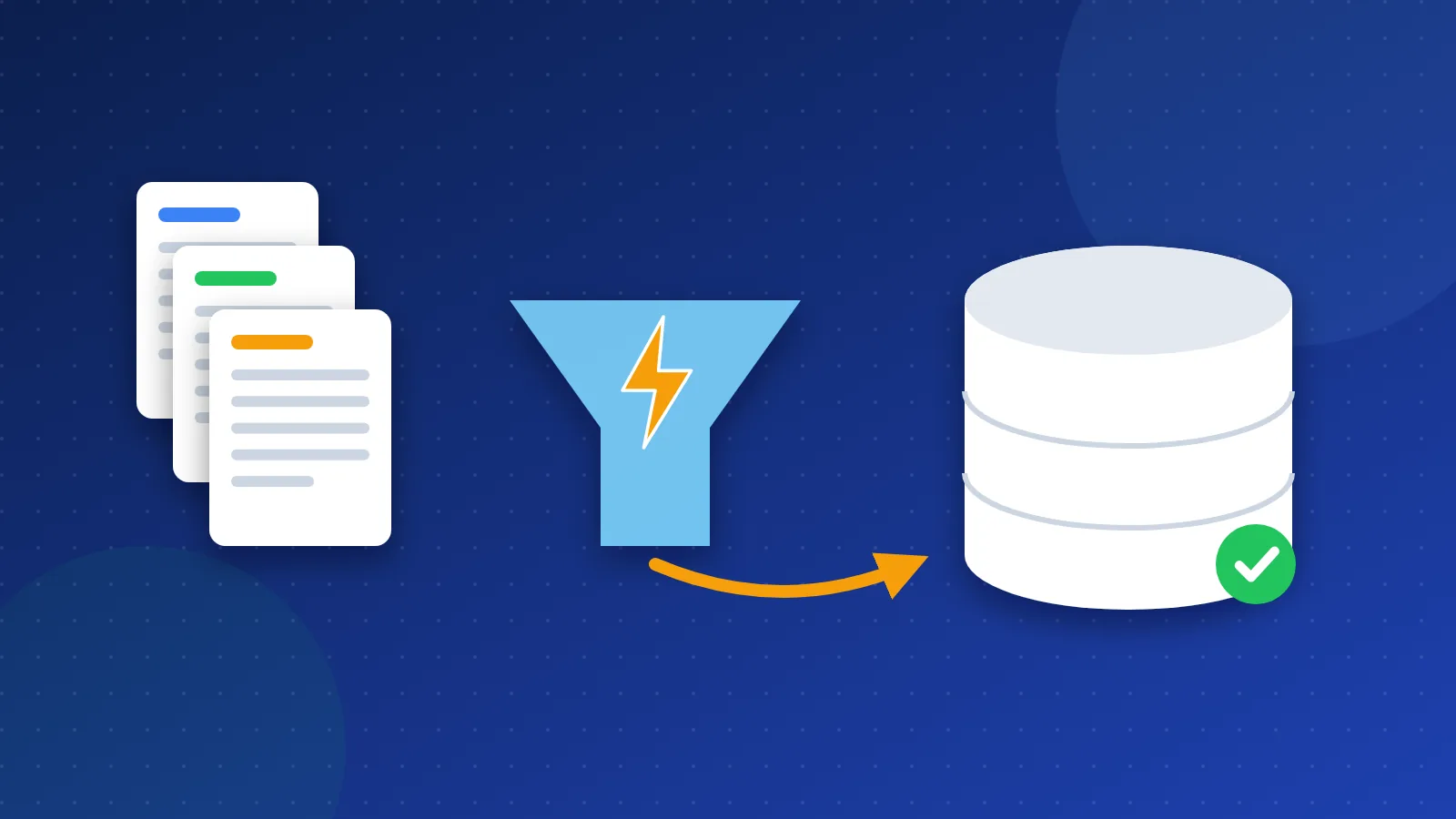
Google works in three steps. It crawls a page, adds it to its index, and later decides where to show it for each search. A URL indexer only works on the first two steps. Ranking happens in the third, where Google compares your page with every other firm's page for that search.
Google also says it does not accept payment to crawl a site more often or rank it higher, and it does not guarantee that any page will appear. If a vendor promises "page one for car accident lawyer", it is promising something Google does not offer.
Some indexers have been tied to Google's Indexing API. Google states that API only supports job posting and livestream video pages, and it runs spam checks on every submission. A practice area page fits neither type.
Legal pages face a higher bar
Google gives extra weight to trust signals on topics that can affect someone's health, money or safety. People in SEO call these "Your Money or Your Life" (YMYL) topics. Advice after an accident clearly fits. Google's helpful content guide says its systems give "even more weight" to content with strong E-E-A-T on these topics. E-E-A-T stands for experience, expertise, authoritativeness and trust. Google adds that trust is the most important part.
For a law firm, that means:
- Clear authorship. Name the attorney who wrote or reviewed each page, with a bio, bar admission and a link to their profile.
- Accurate, current information. State laws, deadlines and rules change. Date your updates and check them.
- Honest claims. Avoid "we win every case" promises. Your state bar likely has rules on lawyer advertising, so check them before you publish results or testimonials.
- Easy contact and location details, matching your Business Profile.
What actually moves accident lawyer SEO
Here is where I would put the effort, in order:
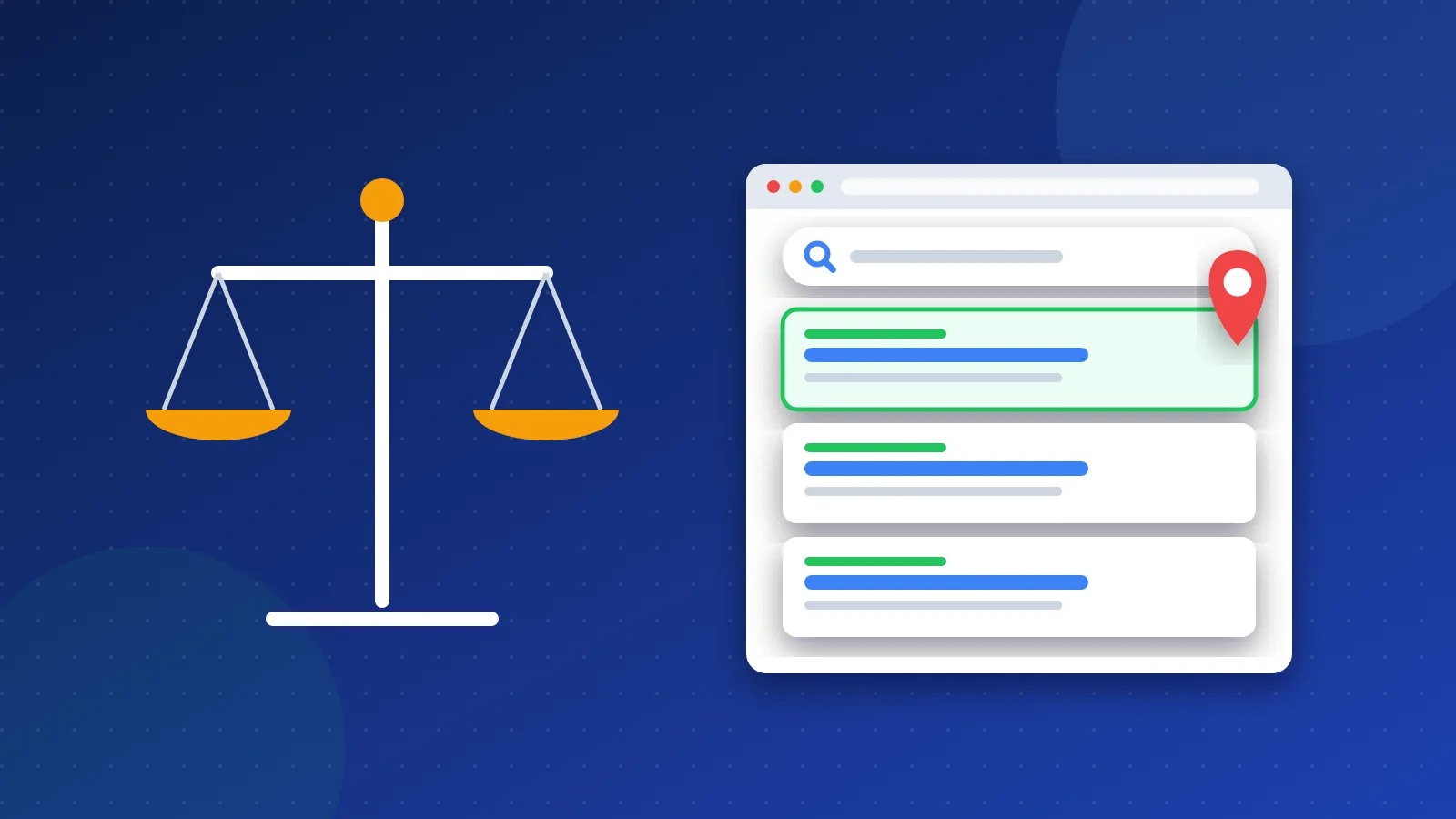
- Google Business Profile. Most "accident lawyer near me" searches show a map pack. Google ranks it by relevance, distance and prominence, and says you cannot pay for a better local rank. Fill in every field, choose the right category and keep hours current.
- Reviews. Ask real clients, within your bar's rules. Reply to reviews in a professional way that does not reveal client details.
- One strong page per practice area. Car accidents, truck accidents, motorcycle accidents and slip-and-fall cases each deserve their own page. Explain the process, what a client should do, and what your firm does.
- Helpful guides. Short answers to real questions, like "what to do after a car accident" or "how fault works in your state", earn links and trust.
- Earned links. Local news, bar associations, law school pages, community sponsorships and legal directories with real editorial checks.
- Technical basics. Fast pages, a clean sitemap and no stray noindex tags.
What should an attorney bio include?
The bio page is where trust starts, and many firms leave it thin. A useful bio answers the questions a worried client has after a crash. Who will handle my case? How long have they done this work? Where are they licensed?
- Full name, photo and the states where the attorney is admitted to practise.
- Years in practice and the types of injury cases they handle.
- Education, memberships and any honours that you can verify.
- Links from the bio to the practice pages the attorney wrote or reviewed.
Keep the tone plain. A short, factual bio builds more trust than a page full of awards with no context.
The risks of shortcut tactics
High-value niches attract aggressive sellers. Watch for:
- Link packages and private blog networks. Google's spam policies call links built mainly to manipulate rankings link spam, including links bought for that purpose and links made by automated services.
- Mass city pages. Dozens of pages with only the city name changed look thin and often stay out of the index.
- Unclear indexing methods. If a vendor will not explain how it gets pages indexed, assume it may involve links you would not want.
A manual action or a slow drop in trust costs a law firm far more than it saves. Our guide on backlink penalties explains how those problems happen and how to clean them up.
Where does an indexer fit for a law firm?
| Situation | Better first step | Indexer useful? |
|---|---|---|
| New practice page not found yet | Sitemap and URL Inspection | Rarely needed |
| Page crawled but not indexed | Improve or merge the page | No |
| Bar or news article linking to you | Wait; it is often found fast | Maybe |
| Want higher rankings | Trust, reviews, links | No |
If you do test an indexer, read my Rapid URL Indexer review first. Local service businesses face the same question; the roofing near me guide covers the map pack side in more detail. For the basics of earning good links, see our backlinks guide.
The short version: accident lawyer SEO rewards trust, not speed. Build a complete Business Profile, clear attorney-backed pages, real reviews and earned links. Use Search Console to get new pages found, and treat any guaranteed-ranking offer as a red flag.
Frequently asked questions
Can a URL indexer get my law firm on page one?
No. An indexer can only help Google find a page. Where the page ranks depends on relevance, trust, reviews, local signals and links. Google itself does not guarantee indexing or ranking.
Are legal topics treated differently by Google?
Yes. Google gives extra weight to strong experience, expertise and trust on topics that can affect people's money, health or safety. Legal advice after an accident falls into that group.
Should a law firm buy backlinks to compete?
No. Google treats links bought to manipulate rankings as link spam. Paid placements must use nofollow or sponsored link tags. Earn links through bar associations, local news, community work and useful guides instead.