Who Invented Assembly Language and When? A Short History
Assembly language turns raw machine code into readable mnemonics. Its roots go back to Kathleen Booth in 1947 and EDSAC in 1949, and it still matters in kernels and embedded systems.
Assembly language turns raw machine code into readable mnemonics. Its roots go back to Kathleen Booth in 1947 and EDSAC in 1949, and it still matters in kernels and embedded systems.
BCPL was Martin Richards' small, typeless systems language from 1967. It shaped B, and through B, the C language that still runs the world.
B was Ken Thompson's small, typeless language for early Unix, created around 1969. It lasted only a few years but led directly to C.
Forth is Chuck Moore's tiny, stack-based language from around 1970. It runs on almost nothing and still controls embedded hardware today.
Dennis Ritchie created C at Bell Labs around 1972 to rewrite Unix. Five decades later it still runs operating systems, databases and embedded devices.
Modula-2 was designed by Niklaus Wirth at ETH Zurich around 1978 as a modular successor to Pascal, and was used to write the entire software of the Lilith workstation.
C++ started in 1979 as 'C with Classes' at Bell Labs and became a standard systems language behind browsers, game engines, databases and trading systems.
D is what a veteran C++ compiler writer built when he started over. A look at its origins, features, compilers and real-world users.
Go was born from frustration with slow builds and complex code at Google. How three veteran engineers designed it and why it now runs the cloud.
Rust gives C-level control with compile-time memory safety. How ownership works, where Rust came from, and why Linux, Windows and Android adopted it.
Zig aims to be a better C, not a bigger one. Here is why Andrew Kelley started it, how comptime and explicit allocators work, and what pre-1.0 really means.
Carbon is an experimental language meant to do for C++ what Kotlin did for Java. Here is why Google engineers started it, how it works and how far along it is.
 FeaturedShared vs VPS vs Cloud HostingShared, VPS, cloud and managed WordPress hosting compared in one simple table, with typical costs and clear signs that it is time to upgrad…Read the guide →
 FeaturedHow to Point a Domain to HostingNameservers, A records and CNAMEs explained in plain words, with step-by-step instructions, realistic wait times for DNS changes and easy w…Read the guide →
 FeaturedHow to Check If a Page Is Indexed by GoogleCheck a page's Google index status with a site: search and the URL Inspection tool, learn the common reasons pages are not indexed and what…Read the guide →
 FeaturedHow Long Should a Meta Description Be?Meta description length explained: why Google has no fixed limit, why it may rewrite your text, a practical 140 to 155 character guide and…Read the guide →
 FeaturedHow to Choose Web Hosting for a New BlogA simple checklist for picking your first host: uptime, renewal price, backups, support, server location, SSL and email, plus honest lesson…Read the guide →
 FeaturedRobots.txt for BeginnersWhat robots.txt does (and why it is not a noindex), the User-agent, Disallow, Allow and Sitemap lines, AI crawler names like GPTBot, and co…Read the guide →
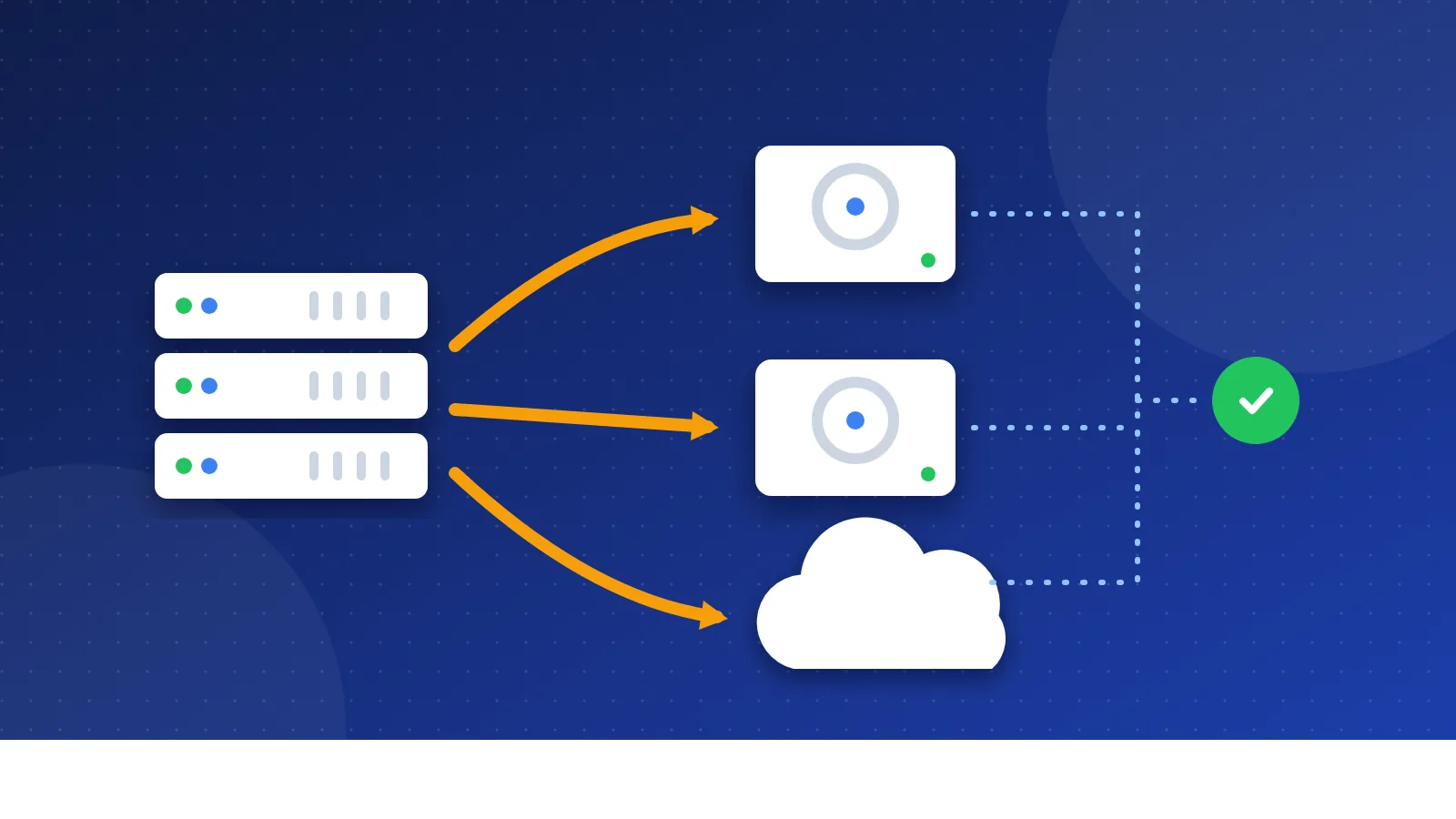 FeaturedHow Often Should I Back Up My Website?A plain guide to website backups: what to save, the 3-2-1 rule, host backups vs your own copy, how often to back up by site type and how to…Read the guide →
 FeaturedDomain Name vs Web HostingThe domain is your site's address and hosting is the house where its files live. Learn how registrars and hosts differ, how to buy both and…Read the guide →