IPL: What Was the IPL Programming Language Used For?
IPL, created in 1956 by Allen Newell, Cliff Shaw and Herbert Simon, introduced list processing and powered the Logic Theorist, one of the first AI programs.
IPL, created in 1956 by Allen Newell, Cliff Shaw and Herbert Simon, introduced list processing and powered the Logic Theorist, one of the first AI programs.
John McCarthy designed Lisp at MIT in 1958. It introduced S-expressions, garbage collection and code-as-data, and lives on in Common Lisp, Scheme, Racket and Clojure.
Prolog grew out of a French question-answering project in 1972 and became the best-known logic programming language, still used for rules, parsing and symbolic AI.
ML began in 1973 as the scripting language of an Edinburgh theorem prover and introduced practical type inference, shaping OCaml, F#, Haskell and Rust.
Scheme was created at MIT in 1975 as a tiny, lexically scoped Lisp. Its minimalism made it a favourite for teaching and for research into language design.
Common Lisp was created in the early 1980s to merge competing Maclisp successors into one portable language, standardised by ANSI in 1994.
Erlang was designed at Ericsson in 1986 to run telephone switches that never stop. Its processes and supervisors now power messaging, queues and Elixir.
Haskell was designed by a committee to unify lazy functional languages. They named it after logician Haskell Curry, whose work underpins the whole idea.
OCaml grew out of INRIA's Caml research in 1996. Its type system and native speed won over theorem provers, compiler writers and a famous trading firm.
F# took the ML family of languages and made it a first-class citizen on .NET. Its origins, features, influence on C# and where it is used now.
Clojure is a Lisp that chose the JVM on purpose. Why Rich Hickey made that choice, what makes the language different, and where it runs today.
A Rails core developer frustrated with concurrency built a friendlier language on Erlang's battle-tested VM. Here is how Elixir came to power Discord and Phoenix.
Gleam brings static types to the Erlang VM with a tiny, friendly language. Here is where it came from, how it compares to Elixir, and what is still missing.
 FeaturedShared vs VPS vs Cloud HostingShared, VPS, cloud and managed WordPress hosting compared in one simple table, with typical costs and clear signs that it is time to upgrad…Read the guide →
 FeaturedHow to Check If a Page Is Indexed by GoogleCheck a page's Google index status with a site: search and the URL Inspection tool, learn the common reasons pages are not indexed and what…Read the guide →
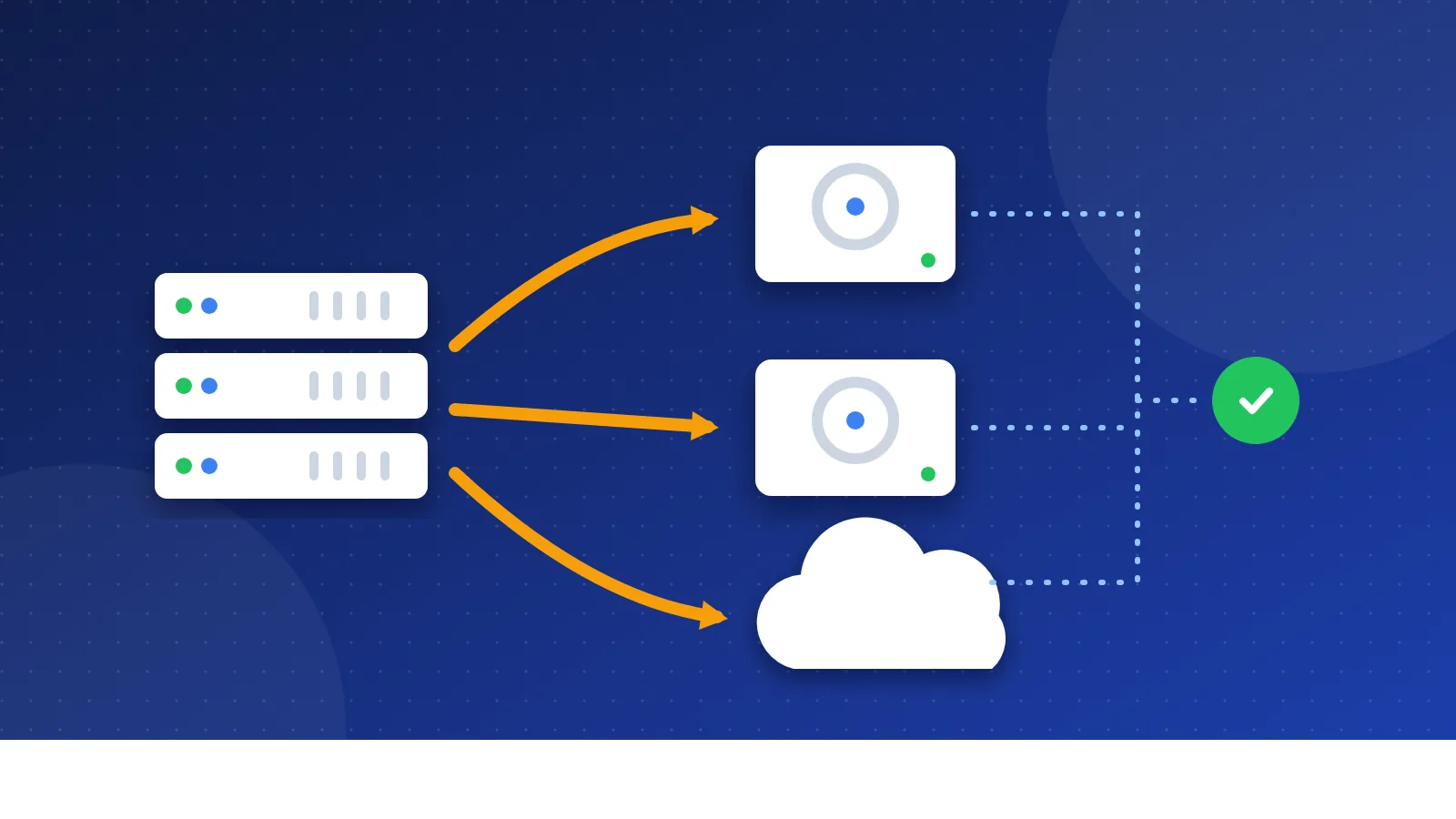 FeaturedHow Often Should I Back Up My Website?A plain guide to website backups: what to save, the 3-2-1 rule, host backups vs your own copy, how often to back up by site type and how to…Read the guide →
 FeaturedHow to Point a Domain to HostingNameservers, A records and CNAMEs explained in plain words, with step-by-step instructions, realistic wait times for DNS changes and easy w…Read the guide →
 FeaturedHow Long Should a Meta Description Be?Meta description length explained: why Google has no fixed limit, why it may rewrite your text, a practical 140 to 155 character guide and…Read the guide →
 FeaturedDomain Name vs Web HostingThe domain is your site's address and hosting is the house where its files live. Learn how registrars and hosts differ, how to buy both and…Read the guide →
 FeaturedRobots.txt for BeginnersWhat robots.txt does (and why it is not a noindex), the User-agent, Disallow, Allow and Sitemap lines, AI crawler names like GPTBot, and co…Read the guide →
 FeaturedHow to Choose Web Hosting for a New BlogA simple checklist for picking your first host: uptime, renewal price, backups, support, server location, SSL and email, plus honest lesson…Read the guide →