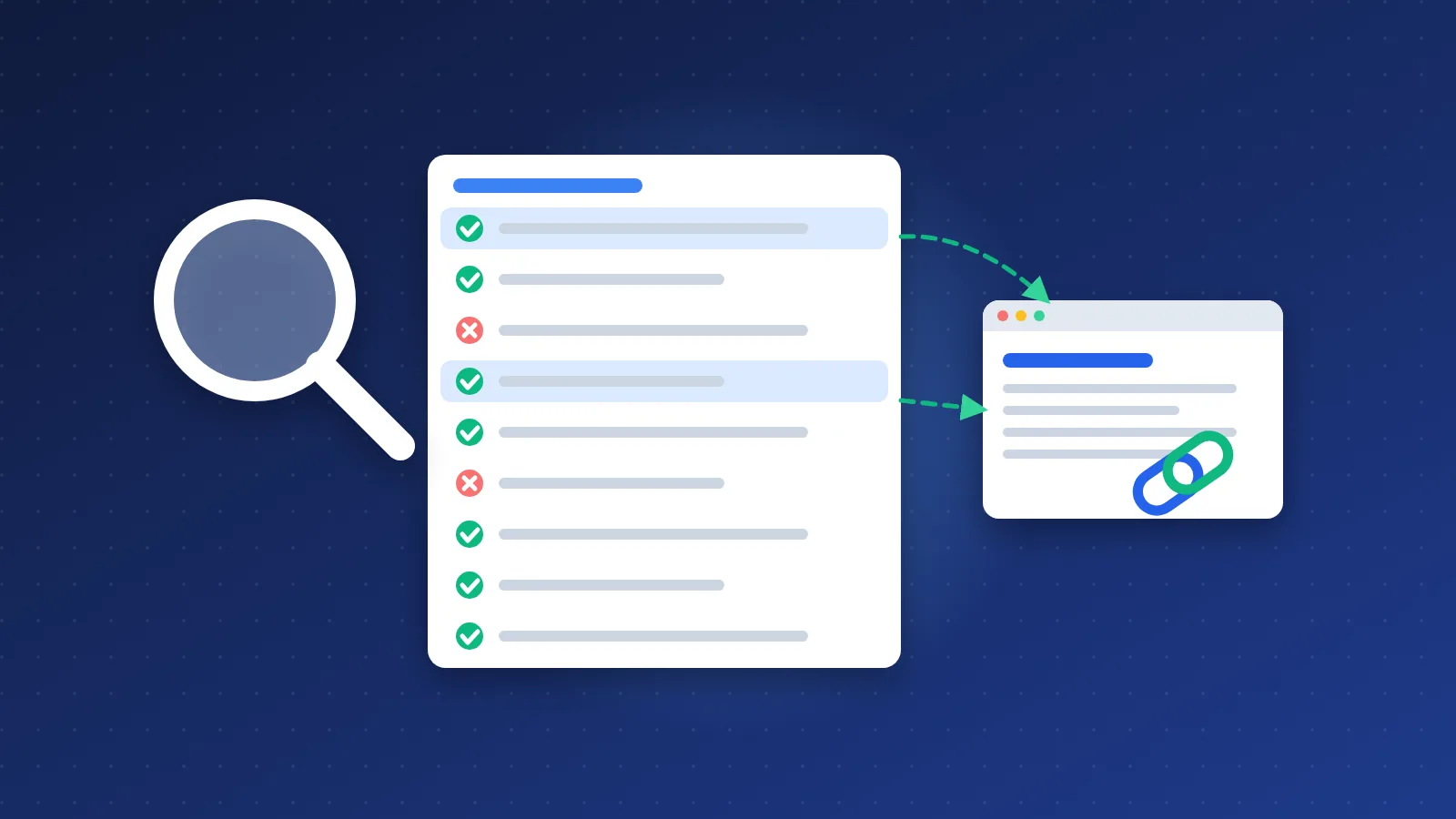
So, do free web directories still help SEO in 2026? Yes, but only a little, and only the right ones. A small number of free directories that are edited by real people, sorted by topic and indexed by Google can still help a new site get discovered and earn a few useful visits, while mass submissions to low-quality lists do nothing for you.
I have been submitting sites to directories since the days when DMOZ approval felt like winning a prize. A lot has changed since then. This guide explains what a directory link can and cannot do today, which types are worth your time, and how to run a simple test on your own site instead of trusting anyone's opinion, mine included.
What is a free web directory?
A web directory is a website that lists other websites in categories, like a phone book for the web. A free directory lets you submit your site without paying. Some free directories have an editor who checks each submission. Others approve everything automatically. If you are new to the idea, our beginner's guide to web directories covers the basics.
Two terms you will see a lot:
- Backlink: a link from another site to yours. Search engines use links to find pages and to judge them.
- Indexed: a page Google has stored and can show in search results. A link on a page that is not indexed is very unlikely to help you.
Why are directory links weaker than they used to be?
In the 2000s, people submitted sites to hundreds of directories because each link seemed to push rankings up. Search engines noticed. Today Google's spam policies list "low-quality directory or bookmark site links" as an example of link spam, which means links created mainly to manipulate rankings. Google has become good at ignoring those links, so a pile of them is mostly wasted effort.
The Ahrefs Help Center gives similar advice: the useful directories are niche business directories "which maintain high-quality editorial control", and submitting to "tons of free directories" is a risk rather than a shortcut.
Where do free directories still earn their place?
There are still a few situations where a free listing is worth the five minutes it takes:
- A brand-new site. A handful of indexed links can help Google find your homepage sooner, especially if nobody else links to you yet.
- Local businesses. Consistent name, address and phone details across trusted local directories support your local presence. Google says local prominence is partly based on how many websites link to your business and how many reviews you have. Start with our local business directory list.
- Niche directories. A curated list of, say, woodworking blogs or SaaS tools can send real visitors who care about your topic.
- Referral traffic. Some directories still get visitors. Even a few clicks a month from an interested audience is worth more than a link nobody sees.
Which free directories are a waste of time?
Most of the problems come from the same few types. This table compares what I look for with what I skip:
| Directory type | Typical value in 2026 | What to do |
|---|---|---|
| Human-edited, topic categories, indexed pages | Small but real: discovery, some referral visits | Submit carefully, write a unique description |
| Local business or chamber directories | Useful for local citations and trust | Submit with exact, consistent business details |
| Niche directories in your industry | Relevant visitors, topical context | Prioritise these first |
| Instant approval, no review | Usually close to zero | Use only if pages are indexed and on-topic |
| "General" directories with thousands of thin categories | None, sometimes a risk | Skip |
| Directories that require a reciprocal link | None, and it looks like a link exchange | Skip |
Our instant approval directory list is handy when you need a quick listing, but check each site before submitting. Fast approval usually means no editor, and no editor usually means a lot of junk next to your link.
How can you test directories on your own site?
Real numbers from your own site beat any blog post. Here is a simple 60-day test you can run with a spreadsheet:
- Pick 10 to 20 directories. Use a mix from our free directory list: some edited, some instant, some local or niche.
- Record the basics. For each one, note the directory name, category URL, submission date and the exact title and description you used.
- Check approval. Once a week, look for your listing and record the date it went live, or "rejected" or "no answer".
- Check indexing at 30 and 60 days. Search Google for the listing page URL. You can also try
site:directory.com yoursite, but Google says thesite:operator does not necessarily return every indexed URL, so treat it as a rough check. - Check Search Console. The Links report in Google Search Console shows which linking sites Google has recorded for you. Note which directories appear there.
- Check referral traffic. In your analytics tool, filter referral visits by each directory's domain.
- Look at rankings last. Rankings move for many reasons, so do not credit directories for a jump unless nothing else changed.
What results should you realistically expect?
These are estimates from years of doing this, not a published study. From a mixed batch of free directories, you will typically see a good share never approve your site at all, especially edited ones with a backlog. Of the listings that do go live, a noticeable part will sit on pages Google never indexes, often deep category pages with no internal links pointing to them.
Ranking changes from free directories alone are usually too small to measure. Referral visits tend to come from a few niche or local listings, not from general directories. If one directory sends visitors or shows up in Search Console, that is a keeper. If one sends nothing after 60 days, do not spend more time on directories like it.
Do free web directories still help SEO in 2026? The verdict
They help at the edges. Use them to get a new site discovered, to support local citations and to reach niche audiences. Do not use them as your main link building plan. Your time is better spent on content people want to link to, on relationships with sites in your field, and on earning mentions from blogs, suppliers and partners.
If you want a simple rule, submit to fewer directories and choose them more carefully. Ten good listings beat a hundred bad ones, and that is the honest answer to whether free web directories still help SEO in 2026: they do, when quality comes before quantity.
Frequently asked questions
Can free directory links hurt my site?
A few low-quality directory links will usually just be ignored. Problems are more likely when a site builds hundreds of them, uses keyword-stuffed anchor text or joins reciprocal link schemes. Google lists low-quality directory links as an example of link spam, so keep your numbers small and your choices relevant.
How many free directories should I submit to?
For most small sites, 10 to 20 carefully chosen directories is plenty. Start with local and niche directories, then add a few edited general ones whose pages are indexed. Track the results before adding more.
Are paid directories better than free ones?
Not automatically. A paid review fee often means faster review and a stricter editor, but price alone does not make a listing valuable. Use the same checks: indexed pages, sensible categories, real editorial review and listings that look like genuine businesses.